If you are buying or refinancing property, you might hear this late in the process: “The lender needs a loan closing survey.”
For many buyers, this feels frustrating. You may think the hard part is over. You already handled inspections, appraisals, and title work. So why is another survey needed now?
The answer is simple. A loan closing survey helps lenders confirm that the property they are financing still matches what the records say. In a busy real estate market like Tampa, that confirmation is very important.
What a Loan Closing Survey Really Shows
A loan closing survey gives a clear picture of a property at the time of closing. It does not rely on old drawings or past records alone. Instead, it shows what exists on the ground right now.
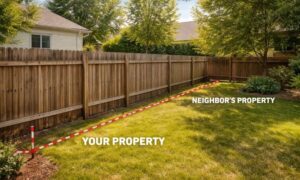
The survey confirms property boundaries, shows buildings and visible features, and identifies anything that crosses property lines. This includes fences, driveways, or other improvements.
Because lenders are loaning large amounts of money, they want to avoid surprises. A loan closing survey helps answer one key question: Is this property exactly what we think it is today?
Why Lenders Care So Much in Tampa
Tampa has many older neighborhoods, tight lot lines, and redeveloped areas. Over time, properties change. Fences move. Additions get built. Driveways extend.
These changes may seem minor to owners, but they matter to lenders. Even small boundary issues can affect property value, access, or title coverage.
In addition, Tampa continues to grow. Homes are expanded, lots are divided, and commercial properties are reused. With all this activity, lenders want current proof that everything lines up before closing.
That is why a loan closing survey often becomes a lender requirement.
Loan Closing Survey vs Other Surveys
Many buyers ask, “Didn’t I already get a survey?” This confusion is common, but different surveys serve different purposes.
A boundary survey focuses on legal property lines. An ALTA land title survey covers more details and often applies to large commercial deals. Construction surveys support building work.
A loan closing survey has a different role. It focuses on lender needs and closing timing. It confirms current conditions without adding unnecessary details.
Because of this, lenders often prefer a loan closing survey when time matters.
When Lenders Usually Require a Loan Closing Survey
Lenders do not ask for this survey in every deal. However, certain situations make it more likely.
Refinances often trigger the request, especially when property values rise. Commercial and mixed-use properties also raise more questions. Properties with visible improvements near property lines can cause concern as well.
In Tampa, older subdivisions and redeveloped areas often fall into these categories. Even if the property sold before, lenders still want fresh confirmation.
How This Survey Helps Avoid Closing Delays
Although it may feel like an extra step, a loan closing survey often prevents bigger problems later.
Without it, lenders may pause funding if issues appear late in the process. That pause can delay closing or even risk the deal.
When the survey confirms boundaries and improvements early, lenders can move forward with confidence. Title companies can clear exceptions faster. Closings stay on schedule.
For buyers and sellers, that means less stress and fewer surprises.
What Surveyors Check During a Loan Closing Survey

During the survey, the surveyor reviews public records and visits the property. They verify property lines, locate visible structures, and check for encroachments.
They also confirm that the legal description matches what exists on site. If something does not line up, it gets flagged early.
The goal is simple. Everyone involved needs clear and accurate information before closing.
Why Timing Matters More Than You Think
One common mistake is waiting too long to order a loan closing survey. Because it ties directly to closing, delays can cause problems.
Surveyors often work on tight schedules. Ordering early gives time to handle issues if something unexpected shows up. It also allows lenders and title companies enough time to review the results.
Early action usually leads to smoother closings.
How a Loan Closing Survey Helps Buyers Too
Even though lenders request the survey, buyers benefit as well.
The survey helps avoid future disputes with neighbors. It reduces the risk of title problems after purchase. It also confirms that improvements are where they should be.
For investors, this means fewer surprises later. For homeowners, it brings peace of mind before a major financial decision.
Final Thoughts
A loan closing survey is not just another requirement. It is a practical tool that helps protect real estate transactions.
By confirming property boundaries and current conditions, lenders reduce risk and keep closings moving. Buyers gain clarity. Sellers avoid delays.
If your lender asks for a loan closing survey, it is not a setback. Instead, it is a step that helps make sure your transaction closes smoothly and with confidence.