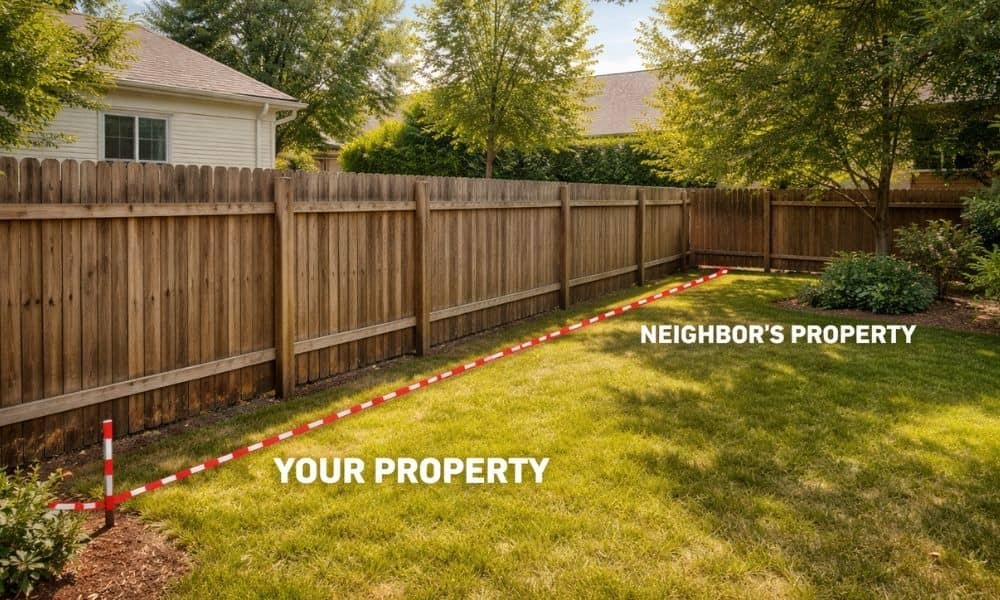
You’re ready to replace your fence. Maybe it’s leaning, broken, or just old. However, before you call a contractor, there’s one step you can’t skip—you need to find property lines first. Most people don’t think about it right away, but you really need to know where your property lines are before making any changes.
Many homeowners assume the fence marks the boundary. That feels logical. Still, it’s often wrong. As a result, people end up building on a neighbor’s land or dealing with permit problems later.
So, before you spend money, let’s walk through how to do this the right way.
Why You Need to Find Property Lines First
At first, replacing a fence seems simple. You take down the old one and build a new one in the same spot. However, that can cause real trouble.
For example, your old fence might sit a few feet inside your property. On the other hand, it could also cross into your neighbor’s lot. Either way, you risk:
- Arguments with neighbors
- Permit issues with the city
- Paying twice to move the fence later
In Tampa, this matters even more. The city has rules about setbacks and fence placement. Therefore, if your fence sits in the wrong place, you might fail inspection or get fined. At that point, it really helps to make sure your property lines are accurate before you move forward.
Start With Hillsborough County Property Records
First, check your property online. Hillsborough County has a property appraiser website where you can search your address.
There, you will see a map of your lot. It shows the shape and size of your property. This is a good starting point.
However, keep this in mind—these maps are not exact. They give you a rough idea, not a legal boundary.
Still, they help you spot obvious issues. For instance, if your fence looks way off from the map, that’s a red flag.
So yes, use the map. But don’t rely on it alone.
Look for Your Survey or Plat Map
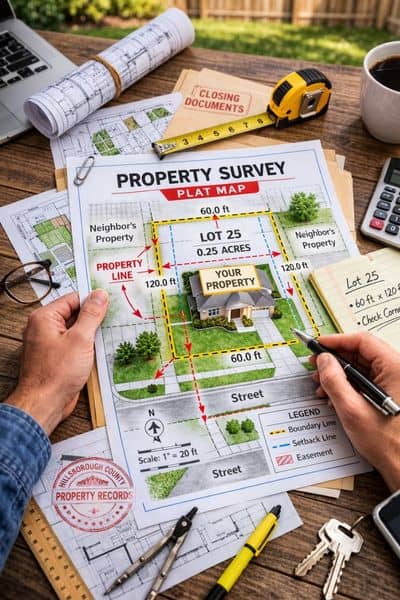
Next, check if you have a survey. Many homeowners get one when they buy a house.
A survey shows the true property lines. It also shows easements, corners, and measurements.
If you can’t find it, look through your closing documents. You can also request a copy from local records.
This step matters because a survey gives you real data, not guesses. Without it, you are just estimating.
So, if you want to find property lines accurately, this is one of the best tools you can use.
Search for Property Line Markers
After that, go outside and check your yard. Many properties have physical markers at the corners.
These markers might be:
- Small metal pins in the ground
- Wooden stakes
- Concrete markers
Usually, they sit near the edges of your lot. However, they are not always easy to find.
Over time, grass grows over them. Sometimes, they get moved or lost.
Even so, if you find them, they give you a strong clue about your boundary. Just remember, you still need to confirm they are correct.
Don’t Assume Your Fence Is the Boundary
This is where many people go wrong.
They look at the fence and think, “That’s my property line.” However, fences often sit in the wrong place.
For example, a previous owner might have built the fence inside the lot to avoid conflict. In other cases, neighbors may have shared a fence without checking the line.
Because of this, you can’t trust the fence alone.
In fact, many online discussions show the same problem. Homeowners argue over fences all the time. Some even find out their fence sits several feet off the true boundary.
So before you replace anything, take a step back. Always confirm the line first.
Check Tampa Permit Rules Before You Build
Next, think about permits.
In Tampa, you often need approval before installing or replacing a fence. The city may ask for a site plan that shows your property lines.
If your plan is wrong, your permit can get denied. Worse, you might build the fence and then fail inspection later.
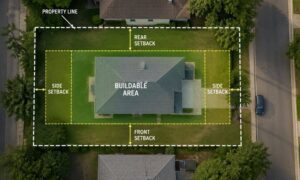
Also, Tampa has setback rules. These rules say how far your fence must sit from property lines or other features.
Because of that, accuracy matters. If you don’t find property lines correctly, you risk delays and extra costs.
When You Should Hire a Surveyor
At this point, you might ask, “Do I really need a surveyor?”
The answer depends on your situation.
You should hire one if:
- You don’t have a recent survey
- Your neighbor disagrees about the boundary
- Your fence will sit close to the line
- You want to avoid any risk
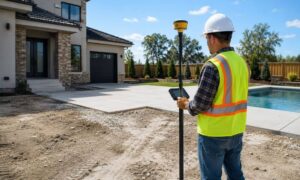
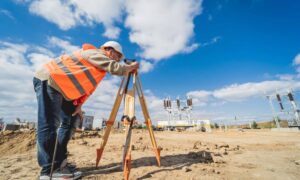
A surveyor gives you exact measurements. They mark the corners clearly. Most importantly, their work holds up legally.
So while it costs money upfront, it often saves much more later.
A Real Situation Many Homeowners Face
Let’s make this real.
A homeowner replaced their fence in the same spot as the old one. Everything looked fine at first. However, the neighbor raised a concern.
So they ordered a survey.
It turned out the fence sat two feet onto the neighbor’s property. As a result, the homeowner had to remove the new fence and rebuild it.
That meant extra labor, extra materials, and stress.
All of that could have been avoided if they took time to find property lines before starting.
Common Mistakes to Avoid
Before you move forward, watch out for these common mistakes:
- Trusting Google Maps for exact boundaries
- Assuming the old fence is correct
- Skipping permits
- Guessing measurements
- Ignoring neighbor concerns
Each of these can lead to bigger problems. So it’s better to slow down and do it right.
Final Thoughts: Get It Right the First Time
Replacing a fence should be simple. However, it can turn into a costly mistake if you skip one step.
That step is simple—find property lines first.
Start with county records. Then check your survey. Look for markers. Finally, call a professional if you feel unsure.
In the end, this small effort protects your investment. It also helps you avoid disputes, delays, and stress.
So before you build, take the time to get it right. Your future self will thank you.