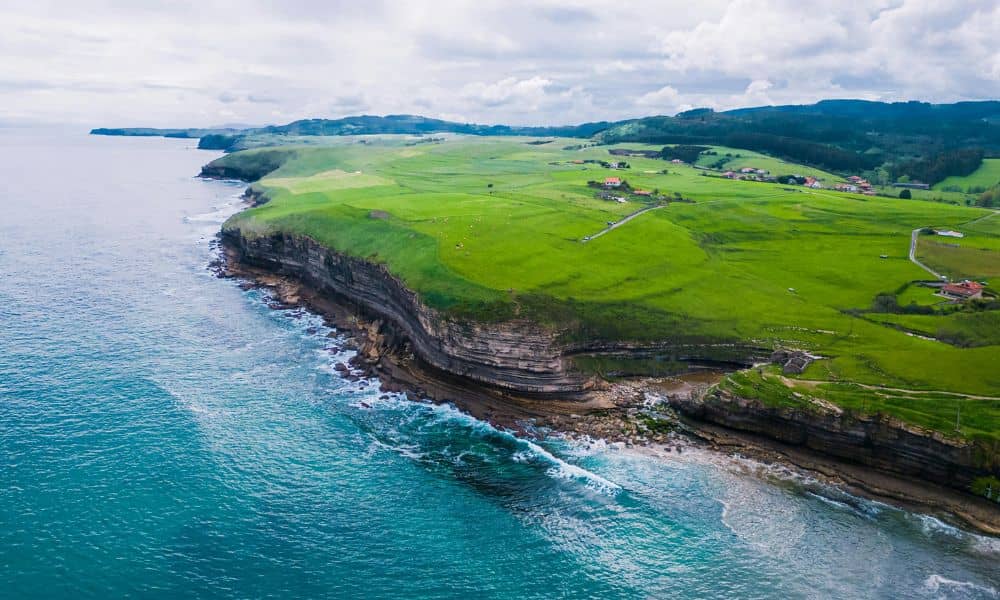
Tampa Bay is changing fast. New homes, roads, and businesses continue to grow near the water. At the same time, storms feel stronger, and flooding shows up in places that once stayed dry. Because of this, local leaders now focus on one goal: protect the coast while still allowing smart growth. However, before any plan takes shape, one thing must come first—accurate land data. Without it, it’s hard to truly understand your property’s elevation and drainage or see how water might affect it over time. That is where a topographic survey becomes important.
Although most people do not think about it, this type of survey plays a quiet but powerful role. In fact, it helps guide both large public projects and small private decisions. As Tampa Bay pushes forward with coastal resilience, this data is becoming more valuable than ever.
Why Tampa Bay Is Rethinking How Land Is Used Near the Coast
For years, development in Tampa Bay followed a simple path—build where land was available. Yet today, that approach no longer works. Rising water levels and stronger storms are forcing cities to slow down and rethink.
Because of this, planners now study land much more closely. They want to understand how water moves, where it collects, and how it affects nearby areas. At the same time, they must decide which locations are safe for long-term use.
As a result, the region has started investing more in mapping and planning. These efforts are not just about large projects. Instead, they shape rules that affect everyday properties across Tampa.
The Data Behind These Big Decisions
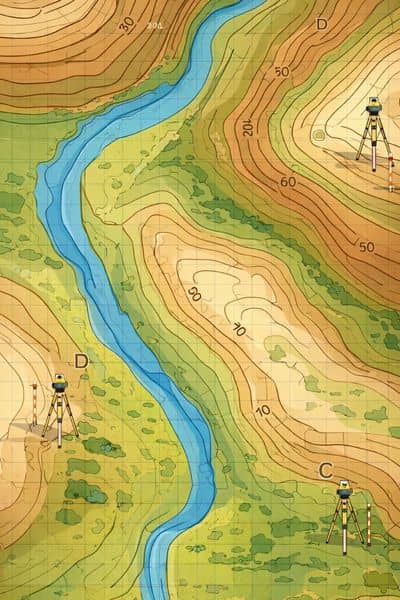
Every major decision about land starts with one basic question: what does the ground actually look like?
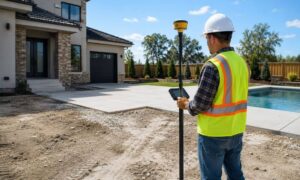
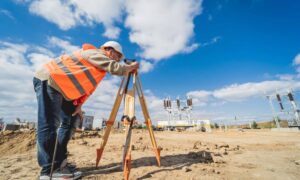
A topographic survey answers that question. It shows elevation changes, slopes, and surface features across a property. In simple terms, it explains how high or low different parts of the land are.
This matters because water always follows the path of least resistance. So, if planners do not understand the land, they cannot predict where water will go. Because of that, even small elevation changes can lead to big problems.
That is why engineers and planners rely on reliable topographic survey data when figuring out how a site should be built or how water will move across it. Without it, any plan becomes a guess.
How Regional Planning Now Affects Individual Properties
At first, coastal resilience planning may seem far removed from everyday life. However, it often reaches down to the property level.
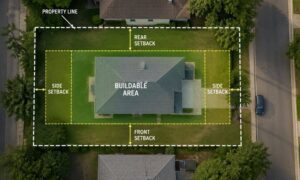
For example, when cities update their plans, they also adjust building rules. These changes can affect how high a structure must sit, how water must drain, and what type of development is allowed.
Because of this, property owners now face more detailed reviews. What worked in the past may not meet today’s standards.
This is where a topographic survey becomes useful. It helps show exactly how your land fits into these updated rules. Instead of guessing, you get a clear picture of what is possible.
Why Outdated Land Information Is Becoming a Bigger Risk
Many people assume that once a survey is done, it stays useful forever. However, land does not stay the same.
Over time, nearby construction can change drainage paths. Soil can shift, and new roads can redirect water flow. Even small changes can affect how a property behaves during heavy rain.
Because of this, older data may no longer reflect real conditions. As Tampa Bay tightens its planning standards, this gap becomes more serious.
In some cases, outdated information can lead to delays, redesigns, or added costs. That is why more property owners now choose to update their data before starting a project.
Why Developers Are Taking a Different Approach
Developers in Tampa have started to adjust. Instead of moving forward quickly, they now begin with better planning.
They often study land conditions before designing anything. By doing this, they can spot low areas, avoid drainage issues, and plan more efficient layouts.
As a result, projects run smoother. There are fewer surprises, and approvals move faster.
This shift shows a larger trend. Land data is no longer just helpful—it is part of smart development. A topographic survey is now one of the first steps, not the last.
What This Means for Property Owners
Even if you are not building a large project, these changes still matter.
If your property sits near the coast or in a low area, small details can have a big impact. Water flow, elevation, and surrounding land all play a role in how your property performs.
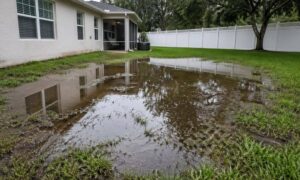
For example, you might notice water pooling after rain. Or you may see changes in nearby lots that affect your drainage. These issues may seem minor at first. However, they often point to larger concerns.
Because of this, understanding your land is becoming more important. A topographic survey helps you see what is happening before problems grow.
When a Topographic Survey Becomes Important
There are moments when guessing about land is not enough. At these times, clear data makes a big difference.
If you plan to build, buy land, or improve your property, knowing the elevation and slope can help you avoid costly mistakes. It also helps ensure your plans meet current standards.
In today’s Tampa Bay, where rules continue to evolve, having accurate land information can save time and stress.
A Smarter Way to Plan in a Changing Tampa Bay
Tampa Bay’s push for coastal resilience is not just about large projects. It reflects a shift in how land is understood and used across the region.
As planning becomes more detailed, decisions rely more on accurate data. A topographic survey plays a central role in that process.
It helps planners protect communities, and it helps property owners make better choices. In a place where water and land are closely connected, that knowledge is powerful.
In the end, building or investing without understanding the land is a risk. However, starting with the right data puts you in a stronger position. And in today’s environment, that can make all the difference.