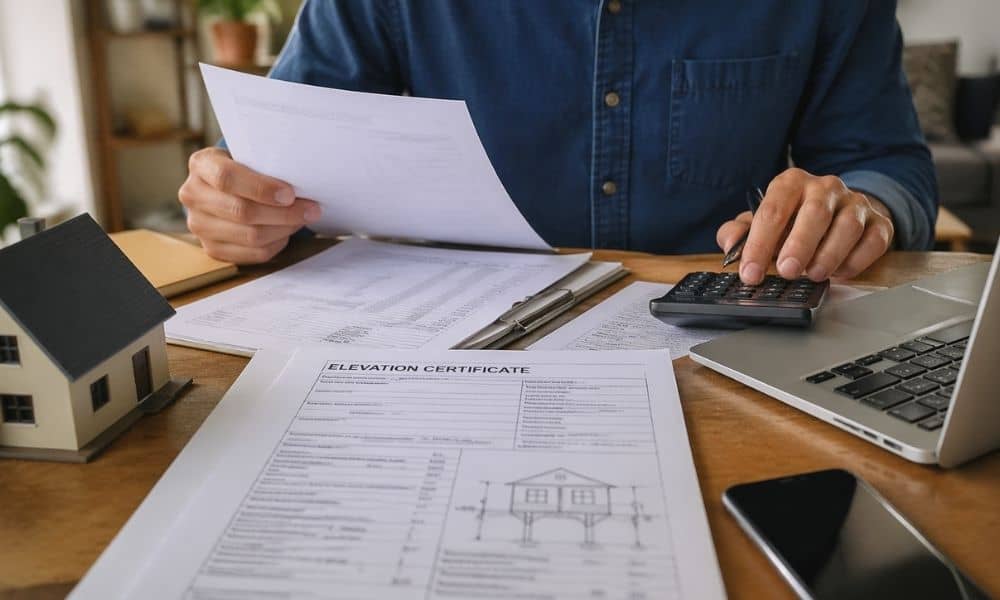
You’re buying a home, updating insurance, or trying to get a permit approved. Then someone asks for an elevation certificate. Most people react the same way. They assume they need to order a new one right away.
That’s where things go wrong.
In Tampa, many properties already have an elevation certificate on file. The problem is simple. Homeowners don’t know where to look, so they end up paying for something they may already have.
Before you spend a few hundred dollars, it makes sense to slow down and check. A little effort here can save money and avoid delays.
Why Many Tampa Properties Already Have an Elevation Certificate
Elevation certificates usually come from past work tied to the property. They don’t just show up when you ask for them. Someone needed that document before, even if you never saw it.
Think about how homes get built and sold in Tampa. Builders often deal with flood requirements during construction. Lenders may ask for elevation data during a sale. Insurance companies rely on it when setting flood insurance rates. Over time, that document gets created and stored somewhere.
Because of that, many homes already have one on record. The current owner just doesn’t have a copy.
This happens more often in flood-prone areas, which makes sense for Tampa. Even older homes can have a certificate if any past work triggered a requirement.
So instead of assuming you need a new one, it’s smarter to assume one might already exist.
Where Homeowners Usually Find It (Without Realizing It)
The search often starts in the wrong place. People rush to hire a surveyor right away, even though it makes more sense to slow down and check if an elevation certificate already exists for your property first.
Start with local records. When work happens on a home, especially construction or repairs, documents usually get filed with the county. In many cases, the elevation certificate ends up there. It might take a bit of digging through permits, but it’s often worth it.
If nothing shows up, keep going. Some records sit at the state level, especially older ones tied to flood requirements. These systems aren’t always easy to use, but they still hold useful information if you give them a little time.
You can also take a simpler route. Insurance agents often keep copies because they use elevation data to set flood insurance rates. A quick call can save you a lot of effort.
Past paperwork can help too. Lenders and title companies may still have documents from a previous sale, especially if the home changed hands in recent years.
Sometimes the answer is even closer. Builders or previous owners might still have a copy saved somewhere. It only takes a quick message to find out.
In many cases, the certificate isn’t missing at all. It’s just sitting in one of these places, waiting to be found.
How to Know If the Certificate You Found Still Works
Finding a document feels like progress. Still, not every elevation certificate will work for your current situation.
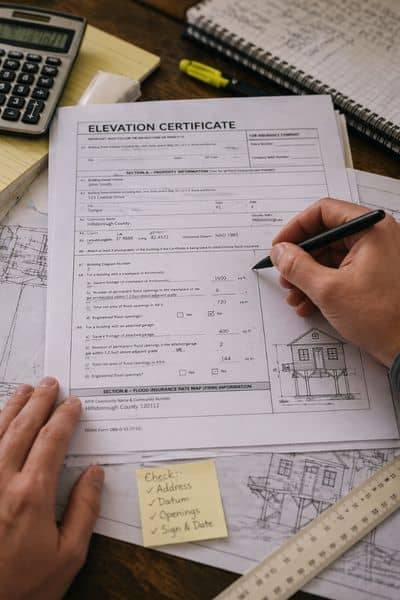
The details matter. The address needs to match exactly. The structure listed on the certificate should reflect the home as it stands today. If major changes happened after the certificate was created, the document may no longer apply.
Sometimes the issue is smaller but still important. Missing pages, unclear data, or unsigned sections can make a certificate unusable for insurance or permits.
Because of that, it helps to take a close look before relying on what you found. A quick review now prevents problems later.
When You’ll Need a New Elevation Certificate Anyway
Even after a thorough search, there are cases where a new elevation certificate makes sense.
Homes that have been modified often fall into this category. Additions, grading changes, or repairs can affect elevation details. When that happens, older documents no longer match current conditions.
New permits can also trigger the need for updated information. Cities want accurate data, especially in areas tied to flood regulations. If the existing certificate doesn’t meet those requirements, a new one becomes necessary.
At that point, ordering a new elevation certificate is the right move. The difference is that you’re making that decision based on facts, not assumptions.
The Mistake That Costs Homeowners the Most
The biggest mistake is rushing straight into ordering a new certificate without checking what already exists.
It’s easy to see why people do it. They want to move fast, close on a property, or finish a permit. Still, that quick decision often leads to extra cost.
Another common issue comes from using outdated documents without verifying them. That can cause delays, especially when lenders or city offices reject the paperwork.
A better approach is simple. Check first, confirm what you have, then decide what to do next.
What Happens If You Can’t Find One
Sometimes the search comes up empty. When that happens, at least you know you’ve already checked the right places.
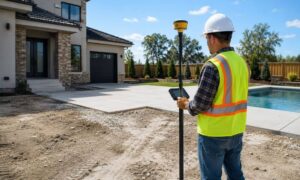
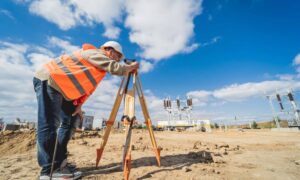
From there, most people just call a surveyor to handle the elevation certificate. They’ll come out, take the measurements, and give you a document that meets current requirements.
Now you’re not guessing anymore. You’ve ruled out any existing records, so getting a new one just feels like the right step.
That puts you in a much better spot than ordering one right away without checking first.
Start With a Search Before You Spend
Most homeowners think they need to spend money the moment an elevation certificate comes up. In Tampa, that’s often not the case.
Many properties already have one on file somewhere. It may sit in a county record, an insurance file, or a past closing document. The challenge isn’t creating a new certificate. The challenge is finding the one that already exists.
Taking time to search first puts you in control. You avoid paying twice, you reduce delays, and you make smarter decisions.
And if you do need a new elevation certificate, at least you know for sure.