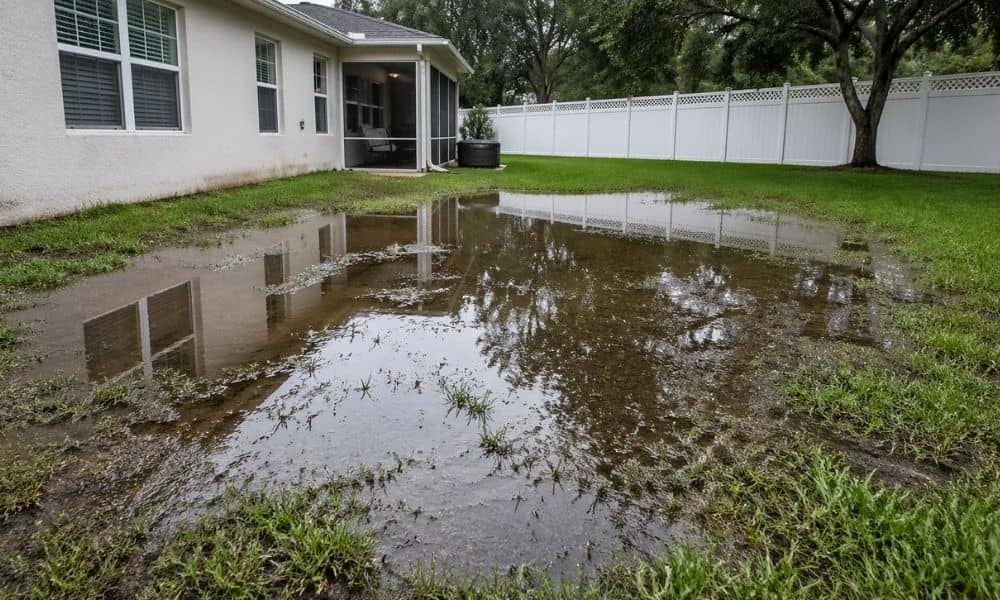
Buying land in Tampa feels simple at first. The lot looks flat. The ground seems dry. It feels ready to build on. Then the rain comes. Water starts to sit in the yard. It slowly moves toward the house. It stays longer than you expected. By then, plans are already moving, and fixing the problem costs more than you thought. This happens a lot in Tampa. Flat land can be misleading. Small changes in elevation can push water in the wrong direction, yet you won’t notice them just by walking the site. That’s usually when people start looking at lidar mapping for drainage issues to get a clearer picture of how the water actually moves.
Flat Land in Tampa Can Be Deceptive
Most people think flat land is easy. It looks level, so it must drain well. That idea causes problems.
Tampa sits in a low area. Rain comes fast, and the ground holds water. The water table stays high. Because of that, water doesn’t move away easily.
Even a one-inch slope can change how water flows. On a flat lot, that inch matters.
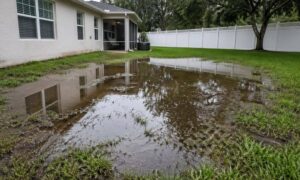
A yard may look even, but one side may sit slightly lower. Water moves there every time it rains. Over time, that low spot turns into a pooling area.
Builders sometimes miss this early. They rely on what they see. The land looks fine, so they move forward.
Later, they found out the site needed more grading work.
What LiDAR Mapping Shows That Your Eyes Can’t
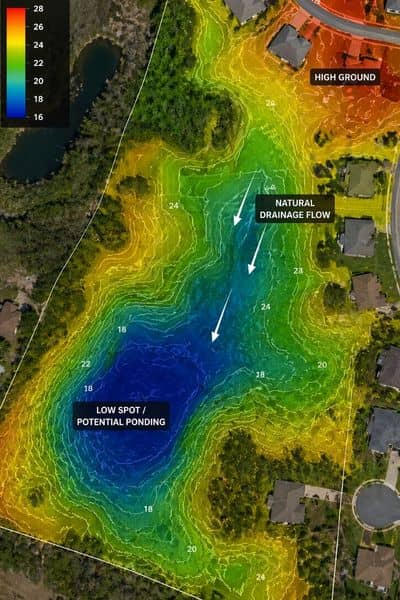
LiDAR mapping uses laser data to measure the ground. It creates a very detailed surface map.
This map shows tiny changes in elevation. It picks up slopes that are too small to notice in person.
For example, it can show:
- where water naturally flows
- where low spots sit
- where the land changes from natural to filled
- how one part of the lot connects to another
A normal site visit won’t show this level of detail. Even basic maps miss it.
With LiDAR, you see the real shape of the land before you start planning.
Hidden Drainage Problems That Affect Construction
Drainage issues don’t always show up right away. They often appear after work begins.
Here are problems that show up often on Tampa lots:
Water runs toward the future home site Instead of draining away, water moves back toward the building area. That can lead to moisture issues later.
Backyards hold water after upgrades Adding a patio or pool changes how water moves. Without proper grading, the yard can trap water.
Driveways send water the wrong way A slight slope in the wrong direction can push water into garages or walkways.
Filled land behaves differently Some lots have been altered before. The surface looks smooth, but the ground underneath drains unevenly.
Neighboring lots create conflicts. Water doesn’t stay inside property lines. Changes on one lot can push water into another.
These problems often lead to rework. Crews have to adjust grading after construction starts. That slows the project and raises costs.
When to Use LiDAR Mapping on Your Property
Timing matters.
LiDAR mapping works best before design begins. Once plans are set, changes become harder to make.
You should use it:
- before building a home
- before adding a pool or patio
- before laying out a driveway
- before finalizing grading plans
- before buying land that looks flat
Flat-looking lots need more attention, not less. They don’t give clear signals. Without data, decisions rely on guesswork.
Better Data Leads to Better Planning
Good planning starts with good information.
LiDAR mapping gives engineers and builders a clearer view of the land before they make decisions. It shows how the ground really slopes, even when it looks flat. When they use lidar mapping for site planning, they can design drainage that follows the land and shape the grade so water moves away from the home.
Because of that, there are fewer surprises during construction. Crews don’t have to stop and fix problems that could have been caught early. Projects move more smoothly when the ground is understood from the start.
What Happens When Drainage Problems Get Missed
Skipping this step can lead to real issues.
Some problems show up right away. Others take time.
You may see:
- standing water after rain
- soil that stays too wet
- uneven ground around the home
- water near the foundation
Fixing these problems later costs more. It may involve regrading the lot, adding drains, or adjusting structures.
Those fixes take time and money. In some cases, they delay the project.
Early detection avoids that.
Why Local Experience Still Matters
Technology helps, but it’s not enough on its own.
Tampa has unique conditions. Soil, rainfall, and elevation all play a role. A local surveyor understands how these factors affect drainage.
LiDAR mapping provides the data. Experience helps interpret it the right way.
That combination leads to better results.
Start with the Ground Before You Build
Flat land can trick people. It looks simple, but it often hides problems.
LiDAR mapping shows what’s really there. It helps you see how water will move before you build anything.
That knowledge gives you control early in the process.
Instead of reacting to problems later, you plan around them from the start.
That’s how you avoid delays, extra costs, and frustration.