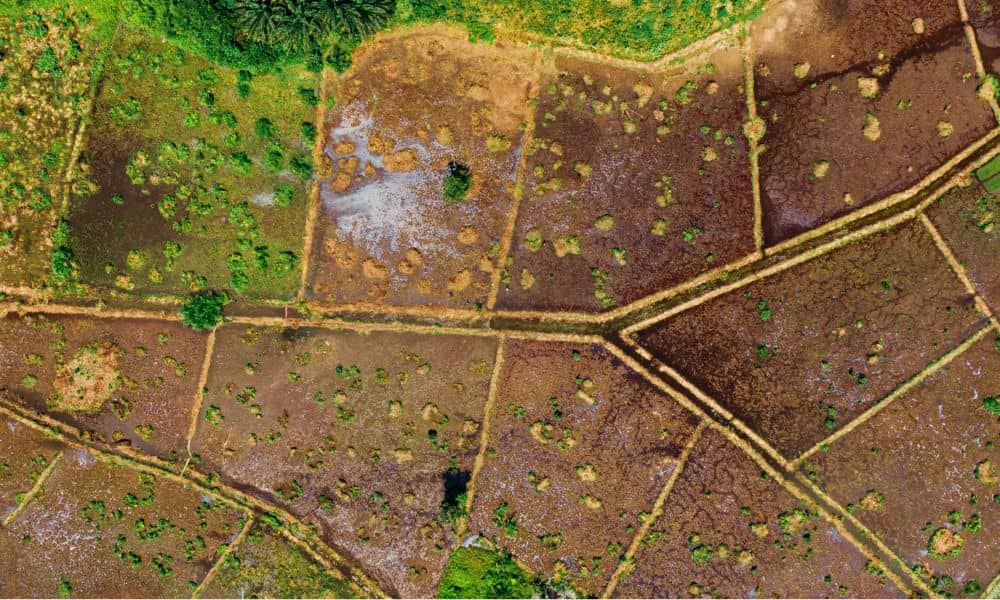
Buying land already comes with a lot to think about, but Florida’s new phosphate-land bill adds another layer that buyers can’t ignore. This new law affects anyone looking at land that may have been mined in the past. Because of this, getting a due diligence survey is no longer optional. It is now one of the most important steps in choosing the right property and protecting yourself from hidden risks.
The law, known as HB 167, focuses on land once used for phosphate mining. Much of this land sits in or near Tampa Bay, especially in places like Hillsborough and Polk counties. These areas now have new rules about liability, safety, and buyer protections. As a result, buyers must understand what the bill says and why a deeper look at a property’s history matters more today than ever.
What Florida’s New Bill Actually Says
HB 167 gives landowners a way to limit certain types of legal liability. If the land was once used for phosphate mining and the current owner files a public notice and gets the required surveys, they can reduce their responsibility for pollution or contamination issues that may show up later.
At first, this might sound like a win for sellers. However, buyers must pay close attention. The bill shifts some of the responsibility away from the seller, which means buyers need to take extra steps to protect themselves. A quick look at the property won’t reveal old contamination, radiation concerns, or past mining activity. Only a strong due-diligence process will.
Why Buyers Should Care
You might think, “This doesn’t affect me. I’m only buying a lot for a home.” But Tampa Bay has a long history with phosphate mining, and many of those sites have been turned into neighborhoods, farmland, or commercial projects. These areas look normal today, yet their past can affect your safety, your home value, and even your ability to build.
Because the new bill changes how liability works, buyers have to take control of their own research. This is where a due diligence survey comes in. It gives you a complete picture of the land beneath your feet, not just the boundaries.
What a Due Diligence Survey Actually Covers

A due diligence survey goes much deeper than a standard property survey. It studies the land’s history, previous uses, and any signs that the land may have been mined or disturbed. It also checks for red flags like soil issues, filled pits, and possible contamination.
Unlike other surveys that focus on boundaries or elevations, this type looks at everything that could impact your health, your construction plans, and your long-term investment. It is like reading the land’s entire backstory, not just the last chapter.
For buyers, this matters because reclaimed mining land can shift, settle, or contain materials that react differently over time. When a seller has filed the required HB 167 notice, buyers must understand why that notice exists and what the risks might be. A due diligence survey explains the parts that sellers do not have to disclose.
How HB 167 Changes the Way Buyers Approach Land
Before this bill, buyers expected sellers to be responsible for telling them if the land had serious problems. Now, things are different. If the seller follows the steps in HB 167, they can limit their liability, even if problems show up later. That means buyers need to be more careful during the purchase process.
Because of this shift, due diligence surveys help buyers make safer decisions. While most landowners are honest, this law gives sellers more protection than before. Buyers must fill that gap with proper research.
This new responsibility might feel heavy, but it is better to know the truth before signing anything. With a due diligence survey, buyers get the details they need to feel confident about moving forward.
Why Reclaimed Mining Land Isn’t Always Easy to Spot
One challenge for Tampa buyers is that former mining land often looks clean and well-developed today. Builders may place homes, roads, and parks on top of old pits or filled areas. Everything appears normal from the surface, yet the land may still hide a complicated past.
The new bill highlights this issue because it shows the state recognizes that old mining sites can still bring risks. Although not all reclaimed land is dangerous, some areas may still contain pockets of material that settle unevenly or hold traces of contamination.
A due diligence survey helps uncover these details early. It looks beyond what you can see and examines old maps, mining records, soil reports, and environmental studies.
How This Impacts Developers and Builders
Developers are also affected by this new law. Many want to build quickly because the area is growing fast. But speed without proper research can lead to expensive mistakes. Uneven soil, hidden waste, or unclear land-use records can delay projects or increase costs.
A proper due diligence survey helps builders plan better. It reduces guesswork, prevents construction surprises, and supports safer designs. Even more, it helps developers show buyers that they are building on land that has been researched, tested, and confirmed safe.
The Role of Surveyors in Today’s Real Estate Market
Surveyors are no longer just people who mark property lines. Because of this new bill, they now help uncover a property’s entire history. Many surveyors work closely with environmental experts and soil engineers to give buyers and builders a complete understanding of the land.
This teamwork provides clearer reports, better recommendations, and stronger protection for the client. A due diligence survey is not only a technical step—it is a smart move that shows you value safety and long-term planning.
What Buyers Should Do Next
If you plan to buy land, take a moment to think about what HB 167 means for you. Don’t rush. Instead, take time to understand the land you’re buying. Ask questions. Look into the property’s past. And most importantly, schedule a due diligence survey before making a final decision.
Buying land is one of the biggest choices you will make. Because of this new bill, checking the land’s history matters more than ever. With the right survey, you protect yourself, your investment, and your future home.