Tampa keeps growing fast. New apartments, stores, and offices appear across the city every year. Because of this growth, developers often look for land where they can build their next project. At first glance, many sites look ready for construction. However, the land can hide problems that are not easy to see. Recently, a Tampa developer planned to buy a commercial property along a busy road. The location looked strong. It had easy road access, nearby businesses, and enough space for a retail building. Everything seemed to move forward without trouble. Then news about flooding in nearby areas started to spread. Heavy rain had caused problems in several neighborhoods. Because of this, many investors began asking more questions about drainage, access, and stormwater systems. So the developer decided to pause the purchase and order an ALTA survey before closing.
That choice helped the buyer learn important details about the land.
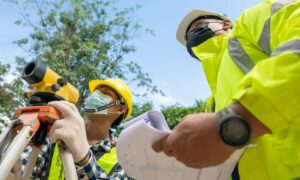
Many property buyers work with experienced land surveyors who handle ALTA surveys to review a site before moving forward with a major purchase. Accurate survey data helps reveal details that may not appear in property listings or title documents.
Flood Concerns Are Changing How Buyers Look at Land
Flood risk has always mattered in coastal cities like Tampa. In the past, many buyers only checked one thing: the flood map. If the land sat outside a flood zone, they often felt safe moving forward.
Today, buyers look deeper.
Tampa has grown a lot in recent years. New buildings, roads, and parking lots cover land that once absorbed rainwater. Because of this, rain now moves faster across the city.
During strong storms, water can fill drainage systems quickly. As a result, even land outside flood zones may face water problems.
Because of this, developers ask more questions before buying land. They want to know how water moves across the property. They also want to know how nearby land might affect the site.
For many investors, this review begins with an ALTA survey.
Looking Beyond the Property Listing
A property listing usually highlights the best parts of a site. It may mention the lot size, nearby traffic, or strong business areas. However, listings rarely show everything that could affect a future project.
During the due diligence stage, buyers study the property more closely. They want to confirm the land truly supports their building plans.
At this point, many developers request an ALTA survey during commercial property due diligence so they can review accurate details about the site before moving forward.
Instead of relying on assumptions, buyers receive a detailed map that shows the property boundaries and other features that may influence development. With this information in hand, developers can better understand exactly what they are buying.
What the Developer Wanted to Understand
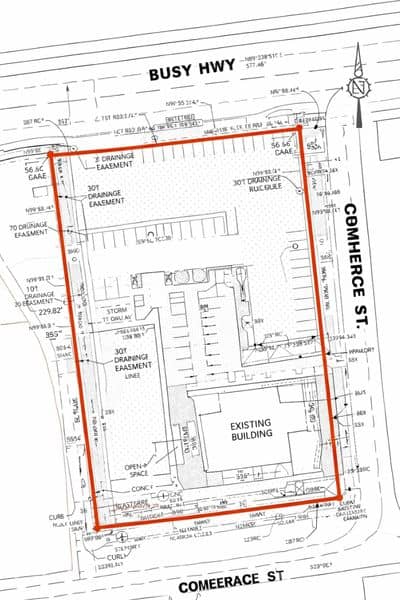
After hearing about flooding nearby, the Tampa developer wanted clear answers. The project still looked good, but the buyer needed proof that the land could support the building plan.
The ALTA survey helped explain several things.
First, it confirmed the exact property boundaries. These lines matter because buildings, parking areas, and driveways must stay within them. Even small boundary mistakes can create big problems later.
Next, the survey showed drainage easements on the land. These areas allow water to pass through the property. While they help control water flow, they can limit where a building can sit.
The developer also looked closely at the entrances to the property. If rainwater collects near a driveway, cars and delivery trucks may have trouble reaching the site.
By reviewing these details, the developer could better judge whether the project still worked.
Why Lenders Look at Survey Details
Most large projects use financing from banks or lenders. These lenders want to understand the property before approving a loan.
They study many documents about the land. They also want to see accurate survey data.
An ALTA survey helps lenders understand how the property works in real life. The survey confirms the land has clear boundaries and proper access. It also shows if easements or other limits may affect the project.
Because of this information, lenders feel more comfortable moving forward with funding.
Early Knowledge Helps Avoid Big Problems
Real estate projects involve many steps. Architects design buildings, engineers plan the site, and contractors organize construction work. If problems appear late in the process, the project can face delays and extra costs.
Because of this, developers try to learn as much as possible early on.
Ordering an ALTA survey during due diligence helps reveal issues before closing. If the survey shows limits on the property, the developer still has time to adjust the plan.
Sometimes the building layout changes. Other times the buyer negotiates a new purchase price. In some cases, the buyer decides the land no longer fits the project.
Although those choices can be difficult, they often prevent larger losses later.
Tampa’s Growth Makes Careful Planning More Important
Tampa continues to attract new businesses and residents. Because of this, new projects appear across the city every year.
However, growth also puts pressure on city systems. Drainage systems must handle more rainwater. Roads must carry more traffic. Strong storms can also test older infrastructure.
Because of these changes, developers now study land more carefully before buying it.
Many start this process with an ALTA survey.
A Smart Step Before Moving Forward
The Tampa developer who ordered the survey did not stop the project out of fear. Instead, the decision showed careful planning.
By reviewing the survey data, the buyer gained a better understanding of the property before closing the deal. This information helped confirm whether the land truly supported the planned development.
Real estate deals often move quickly, especially in fast-growing cities like Tampa. Even so, taking time to study the land can make a big difference.
An ALTA survey helps developers move forward with confidence. When buyers understand the land beneath their projects, they protect their investment and build stronger developments for the future.