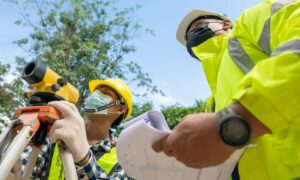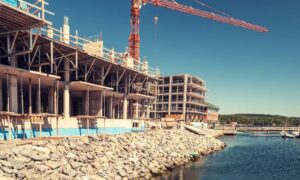
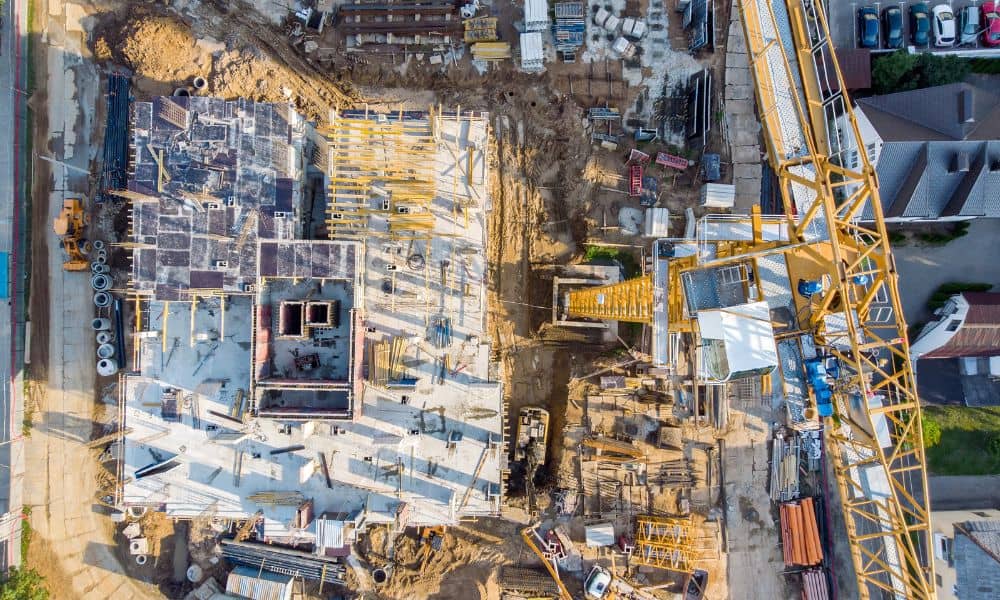
If you’ve been following Tampa’s growth, you’ve probably seen what’s happening in South Tampa. The old Britton Plaza area along South Dale Mabry Highway is getting a major makeover, and it’s just the start of a wave of redevelopment across the city. For property investors, builders, and lenders, that sounds like progress. But for anyone scheduling an ALTA survey, it also means one thing—longer wait times.
This isn’t just a hiccup. The new rezoning and redevelopment push are reshaping how and when surveys get done.
South Tampa’s Transformation Is in Full Swing
For decades, Britton Plaza has been a neighborhood landmark. Now, the city council’s recent rezoning approval has opened the door to replace aging retail with a new mixed-use development. That means tearing down old structures, redrawing parcel lines, and installing new utilities—all before a single foundation is poured.
But Britton Plaza isn’t alone. Along Gandy Boulevard, Kennedy, and South Dale Mabry, similar projects are lined up. Old strip malls are giving way to condos, restaurants, and office space. It’s a sign of healthy economic growth—but it also creates a rush for surveyors, title companies, and engineers.
Every developer moving into these zones needs updated land data: boundaries, easements, access points, and flood information. That’s where the ALTA survey comes in—and that’s where delays begin.
Why Rezoning Slows Down the ALTA Survey Process
When an area like South Tampa gets rezoned, it doesn’t just change what can be built—it changes how surveyors have to document the land.
Every ALTA survey must show the property’s boundaries, easements, access rights, and improvements, but rezoning adds layers of complexity. New zoning means new setbacks, new right-of-way lines, and sometimes new parcel splits. Surveyors can’t rely on outdated plats or records—they have to dig deeper into title data and city archives to make sure the map reflects current conditions.
In South Tampa, many properties sit on older plats that were drawn before today’s infrastructure existed. Surveyors often discover that utility lines or drainage easements don’t match recorded documents. Verifying those details adds field hours and coordination time, especially when multiple property owners are involved.
And since lenders won’t close without a clean ALTA survey, those extra days turn into real-world delays.
The Hidden Bottlenecks Slowing Tampa Projects
So, what’s really driving the longer timelines? Let’s look at what’s happening behind the scenes.
1. Backlog of Redevelopment Projects: Since the Britton Plaza approval, survey requests have surged. Firms that once handled two or three commercial jobs a month are now juggling twice that. Each project requires title research, fieldwork, and coordination with multiple agencies. Even the best-equipped surveyors can only move as fast as their crews and data partners allow.
2. Complex Title Layers: Older commercial properties often have shared driveways, overlapping easements, or “paper streets” that were never built. Untangling those title layers can take time. Every legal description has to line up perfectly with what’s on the ground. One mismatch, and the entire survey needs revision.
3. Utility Coordination Challenges: Before a surveyor can finalize an ALTA map, they must identify underground utilities. That means calling 811 and sometimes hiring private locators for non-public lines like irrigation or lighting systems. In dense commercial zones, that process alone can add several days.
4. Permit Queue Delays: Tampa’s right-of-way and stormwater departments are handling more permit applications than ever. Reviews that once took a week now take two or more. Until those permits are approved, certain survey tasks—like staking or access mapping—can’t begin.
5. Flood and Elevation Checks: Many areas near South Dale Mabry sit within or near FEMA flood zones. Surveyors must confirm flood elevations and benchmark data before submitting final drawings. That adds another layer of field verification and review.
Each of these steps is manageable on its own, but together they stretch the timeline for completing an ALTA survey.
How Developers Can Stay Ahead
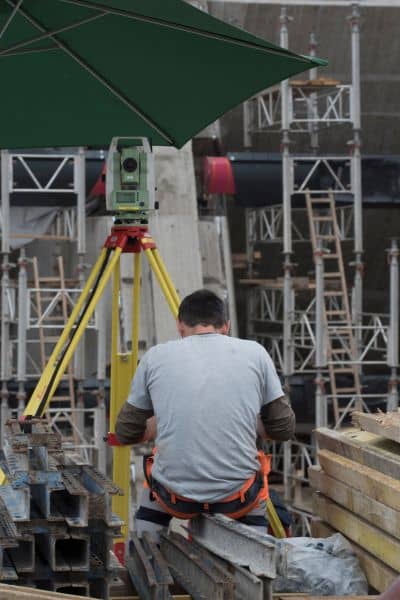
The good news is, smart planning can keep your project on track. Developers and lenders who understand the process are less likely to get stuck waiting on survey paperwork.
Start by ordering your ALTA survey early—ideally right after you sign a letter of intent. Waiting until closing or permit submission puts you in the same queue as everyone else. Early ordering also gives you time to fix any title or easement issues before they cause financing delays.
Next, talk to your surveyor about which Table A items you actually need. Many clients request extras that don’t apply to their project, like topography or parking counts. Streamlining those requests saves time and money.
It also helps to coordinate directly with your title company and civil engineer. When those teams share data, you avoid mismatched legal descriptions and redundant site visits. In fast-moving markets like South Tampa, collaboration is your biggest time-saver.
Finally, if your lender requires updates during construction, ask your surveyor about phased deliverables. You might get a preliminary ALTA survey for financing and a final one after site grading. That approach keeps everyone moving without waiting on a single document.
Local Realities You Shouldn’t Ignore
Surveyors working know that even the smallest detail can cause a delay. For example:
- The City’s Accela and HillsGovHub systems now handle more online permit filings than ever, but review times can vary from 12 to 15 business days.
- Tree protection ordinances sometimes require additional mapping before demolition.
- Flood Zone A or AE parcels need elevation confirmation for drainage compliance.
These aren’t small tasks—they’re part of why surveyors emphasize early coordination. If you wait to order an ALTA survey until your permits are already in review, you’re guaranteed to lose time.
Turning Delay Risk Into an Advantage
Here’s the upside: developers who manage this process well gain a real advantage. A completed, accurate ALTA survey gives lenders confidence, shortens closing time, and makes the permit process smoother.
Think of it as your project’s foundation before the foundation. When everyone—from your lender to your architect—has precise survey data, there are fewer surprises in design and construction.
Some developers even use ALTA data to negotiate better terms with investors or to showcase site readiness. In a market as competitive as Tampa’s, that credibility matters.
Final Thoughts
South Tampa’s rezoning wave is a sign of progress. The city is growing, modernizing, and attracting new investment. But growth comes with complexity, and the humble ALTA survey is now at the center of it all.
Yes, your next ALTA survey might take twice as long—but that’s not a reason to panic. It’s a reason to plan better. Order early, coordinate closely, and work with surveyors who understand the evolving landscape.
If you do, your project won’t just keep moving—it’ll stand on solid ground from the start.