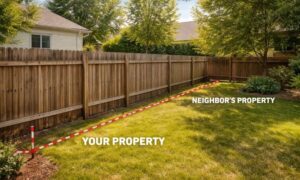
You’re ready to build a fence. Maybe you want privacy, or maybe you just want a safer yard for your family or pets. Either way, it feels like a simple next step. Call a contractor, set a date, and get started. But before you move forward, it helps to slow down for a second and know your exact lot boundaries before building a fence. However, one question always comes up before the work begins: “Where exactly is your property line?” That’s when things get confusing. Your surveyor may offer two options—stakes only, or a full lot survey with a drawing. At first, stakes sound like enough. After all, they show where the line is, right? Not always.
What a Lot Survey Actually Gives You
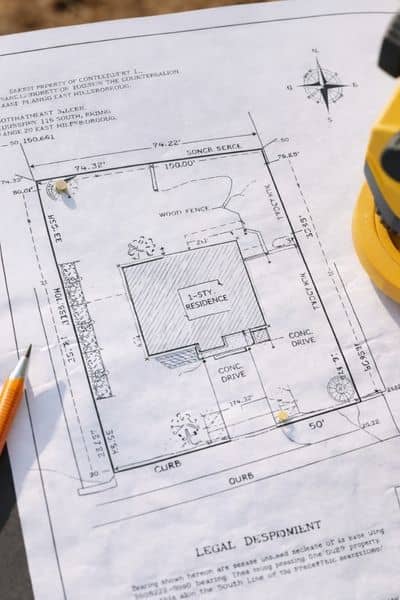
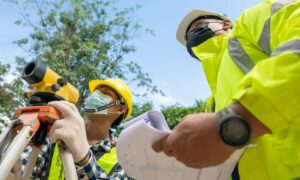
A lot survey does more than mark your land. It gives you a clear and verified picture of your property. When you really look at what a lot survey actually shows, you start to see why it matters so much before building a fence. A licensed land surveyor measures your lot, checks records, and confirms where your boundaries truly sit.
Then, if you choose to include it, you also receive a survey drawing. This document shows your property lines, lot size, and how your home and other features sit on the land.
Because of this, a lot survey gives you both physical markers and documented proof. It doesn’t rely on guesses or old assumptions. Instead, it confirms what is accurate right now.
That matters more than most homeowners expect.
Why Stakes Feel Like the Easier Option
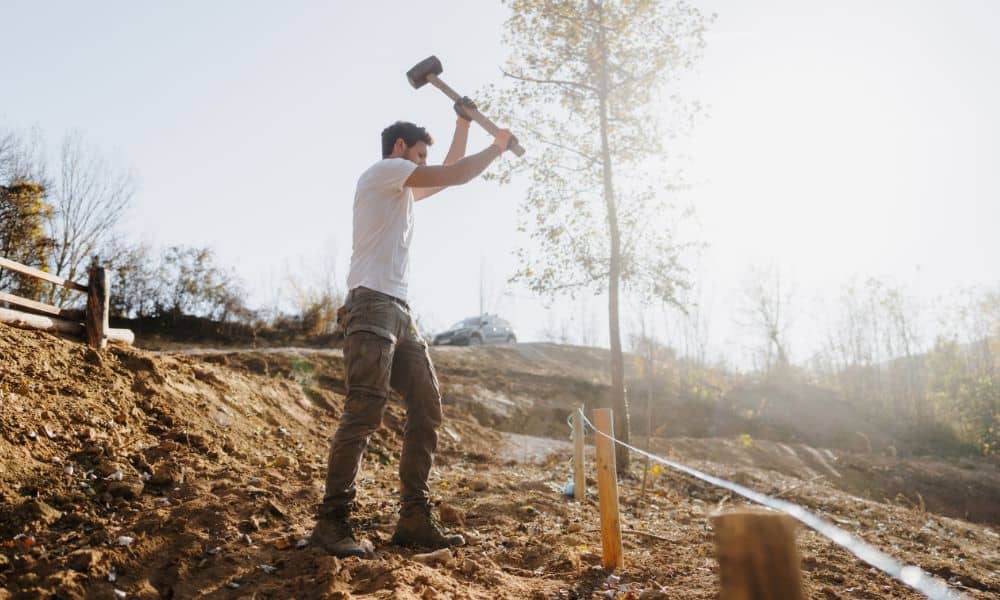
Stakes are simple. They go into the ground and show where your corners or lines are. Your contractor can follow them, and your fence can go up quickly.
So it makes sense why many homeowners choose this option. It costs less, and it feels straightforward.
However, stakes only serve as a temporary guide. They don’t come with a record you can keep or use later. Over time, they can shift, get removed, or become unclear.
Because of that, stakes work best for quick reference—not long-term certainty.
The Difference Most Homeowners Miss
At first glance, stakes and a lot survey seem like they do the same thing. Both show your boundary. Both help with your project.
Yet they serve very different roles.
Stakes help you see where to build. A lot survey helps you understand and confirm what you’re building on.
That difference becomes important once your project moves forward. Without a survey drawing, you don’t have something to refer back to if questions come up. With a lot survey, you have a clear record that supports your decisions.
So while stakes help in the moment, a lot survey supports you long after the fence is done.
When Stakes Might Work for Your Fence
In some cases, stakes can be enough. For example, if your property is large and open, and your fence sits far from the boundary, the risk stays low.
Also, if there are no nearby structures or tight spaces, small errors may not cause major issues.
Because of that, some homeowners choose stakes for simple projects. It works, especially when the layout is clear and there’s room for flexibility.
Still, even in these cases, you rely on temporary markers. That’s something to keep in mind.
When a Lot Survey Becomes the Smarter Choice
Most properties don’t have that extra space. Homes sit closer together, and lot lines matter more.
If your fence runs near your boundary, even a small mistake can create problems. The same applies if your lot has an unusual shape or if your neighborhood has older layouts.
In these situations, a lot survey provides clarity before construction begins. It gives you confidence that everything lines up correctly.
It also helps when you plan future changes. Whether you want to add features later or sell your home, having a survey drawing makes things easier.
Because of that, many homeowners choose a lot survey not just for today, but for what comes next.
What Can Go Wrong Without a Lot Survey
At first, everything may seem fine. The stakes are in place, and the fence goes up without issues.
Then something feels off.
Maybe the fence doesn’t align as expected. Maybe a section looks too close to the edge. Without a survey drawing, it becomes harder to check what went wrong.
Now you face uncertainty. You may need to call a surveyor again or adjust the fence after it’s already built.
Even small changes can cost time and money. That’s why many homeowners look back and wish they had clearer information from the start.
Why Many Homeowners Skip It at First
Most people don’t skip a lot survey because they don’t care. Instead, they try to save money or keep things simple.
They assume stakes will do the job. They trust that existing records or online maps show the right lines.
However, those sources don’t always reflect current conditions. Over time, markers move, records age, and details change.
A lot survey removes that uncertainty. It confirms what’s accurate today, not what used to be.
Because of that, it often becomes more valuable than homeowners expect.
How to Think About Cost the Right Way
Cost always plays a role in any project. Stakes cost less because they involve less work and no formal documentation.
A lot survey costs more because it includes measurement, verification, and a detailed drawing.
However, it helps to look at cost from a different angle. Instead of focusing only on the price, think about what you gain.
With stakes, you get a quick guide. With a lot survey, you get clarity, accuracy, and something you can rely on later.
That difference can prevent costly changes after your fence is already built.
Making the Right Choice Before You Build
Before you move forward, take a moment to think about your project.
If your fence sits close to your boundary, or if you want peace of mind, a lot survey gives you that extra layer of certainty. If your project is simple and low-risk, stakes may be enough.
Still, the key is understanding what each option provides.
Stakes help you place your fence. A lot survey helps you place it with confidence.
Build Once, Build Right
Building a fence should feel like progress, not guesswork.
In Tampa, where space can be tight and details matter, knowing your exact layout makes a big difference. A lot survey gives you that clarity from the start.
So before you begin your project, take the time to choose the right option. When you do, you avoid second-guessing and move forward with confidence.
And once your fence is in place, you’ll know it’s exactly where it should be.