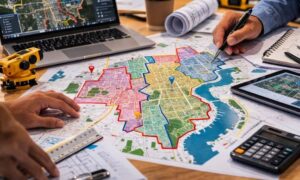
How LiDAR Supports Wetland Mapping and Environmental Protection in Tampa Bay

lidar - tampa bay fl

Tampa Bay is home to some of Florida’s most important natural ecosystems—mangroves, salt marshes, and freshwater wetlands that help protect both people and wildlife. These areas play a big role in keeping our water clean, reducing flood damage, and providing a home for fish, birds, and other animals. But as Tampa continues to grow, so does the need to protect these wetlands.

One tool that’s helping scientists, environmental groups, and developers work smarter is LiDAR mapping. It’s changing the way we see and understand land—especially delicate places like wetlands.

Why Wetlands Matter in Tampa Bay

Wetlands are one of nature’s best tools for protecting our communities. They:

  • Soak up floodwaters from heavy rains and hurricanes
  • Trap pollutants before they reach Tampa Bay’s waters
  • Serve as nurseries for fish, crabs, and other sea life
  • Help fight climate change by storing carbon

As Tampa continues to grow, some wetlands are being altered or lost. To protect them, we need accurate, up-to-date data—and that’s where LiDAR mapping in Tampa, FL proves incredibly useful.

How LiDAR Helps Map and Protect Wetlands

1. Spotting Subtle Elevation Changes

Wetlands often sit just inches above sea level, making them hard to map with regular tools. LiDAR can detect tiny elevation changes that help experts tell where wetland areas begin and end. This helps define protected zones more clearly, especially near the coast.

2. Understanding Vegetation

LiDAR can also measure the height and density of plants. This helps scientists track the health of wetlands, see which types of vegetation are growing, and monitor how these areas respond to storms or changes in water levels.

3. Monitoring Over Time

When LiDAR scans are done regularly, they help show how wetlands are changing—whether they’re shrinking, growing, or shifting inland due to sea level rise. That’s key for long-term planning and restoration.

4. Supporting Better Land Use Decisions

With accurate LiDAR data, developers can avoid building in protected or flood-prone areas. Environmental agencies can also use it to support permitting decisions, making sure projects meet state and federal guidelines.

Local Impact in Tampa Bay

tampa bay map

Groups like Tampa Bay Watch, the Southwest Florida Water Management District (SWFWMD), and local governments are already using LiDAR to protect our coastal ecosystems. It’s helping with everything from shoreline restoration to climate resilience planning.

When everyone—from scientists to city planners—has access to clear, accurate maps, they can make better choices that support both growth and the environment.

Final Thoughts

Tampa Bay’s wetlands are too valuable to lose. LiDAR mapping gives us a clearer picture of where these ecosystems are and how they’re changing. Whether you’re protecting mangroves, building a new development, or restoring a shoreline, LiDAR helps get the job done right.

With smarter tools and better data, we can keep Tampa Bay’s environment thriving—now and for the future.

author avatar
Surveyor

More Posts

Surveyors reviewing site plans before fieldwork to determine land survey cost
land surveying
Surveyor

What Raises Land Survey Cost? Permit Records Explained

If you’re planning to build, sell, or buy property, you’ve probably asked about land survey cost. Most people think the price just depends on the size of the lot, the terrain, or where the property is located. That’s a fair guess. But once you start digging into how survey pricing

Read More »
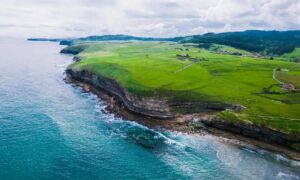
Aerial view of coastal land showing elevation changes and shoreline features from a topographic survey
land surveying
Surveyor

Why Coastal Planning Starts With a Topographic Survey

Tampa Bay is changing fast. New homes, roads, and businesses continue to grow near the water. At the same time, storms feel stronger, and flooding shows up in places that once stayed dry. Because of this, local leaders now focus on one goal: protect the coast while still allowing smart

Read More »
Person placing stakes to mark property boundaries before building a fence on a residential lot survey
land surveying
Surveyor

Lot Survey vs Stakes: What to Get Before Building a Fence

You’re ready to build a fence. Maybe you want privacy, or maybe you just want a safer yard for your family or pets. Either way, it feels like a simple next step. Call a contractor, set a date, and get started. But before you move forward, it helps to slow

Read More »
Licensed surveyor reviewing waterfront construction site near shoreline for permit approval
land surveyor
Surveyor

Licensed Surveyor: Why Waterfront Permits Get Delayed

If you own a waterfront property, you might be planning something exciting. Maybe you want to build a dock, repair a seawall, or improve your shoreline. At first, it feels simple. You picture a quick process—get plans done, submit a permit, and start construction. However, many property owners are now

Read More »
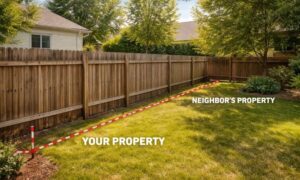
Backyard fence with a visible boundary line showing how to find property lines before replacing a fence
boundary surveying
Surveyor

Find Property Lines Before Replacing a Fence

You’re ready to replace your fence. Maybe it’s leaning, broken, or just old. However, before you call a contractor, there’s one step you can’t skip—you need to find property lines first. Most people don’t think about it right away, but you really need to know where your property lines are

Read More »
Urban planning map showing colored city district boundaries used in survey mapping for municipal planning
land surveying
Surveyor

How Survey Mapping Determines City District Boundaries

Tampa continues to grow. New homes appear, businesses expand, and neighborhoods change. Because of that growth, the city must update its district boundaries. These boundaries decide which city council member represents each area. However, drawing those lines does not happen randomly. City planners rely on survey mapping to guide the

Read More »