Tampa Bay is growing fast. New housing, retail, and mixed-use projects appear every month. However, many developers are now running into a problem they did not expect: infrastructure limits. Because of this shift, the due diligence survey has become one of the most important steps before buying or developing land.
For years, most developers focused on zoning, price, and location. Those still matter. Yet today, water availability, utility capacity, and drainage systems often decide whether a project can move forward. As a result, early land research now carries more weight than ever.
Growth Is Strong, but Infrastructure Has Limits
Tampa Bay continues to attract new residents and businesses. This demand fuels development, but infrastructure does not expand at the same speed. Water systems, sewer lines, and stormwater networks all have limits. When those limits are reached, projects slow down or stop.
Because of this, land that looks perfect on paper may not work in real life. A parcel can be zoned correctly and still face major delays. Often, the issue is not the building design. Instead, the issue is whether the site can support basic services.
Why Developers Feel the Pressure Earlier
In the past, infrastructure questions came later in the process. Developers often addressed them during design or permitting. Now, that approach creates risk. If water or utility capacity falls short, the cost of redesign can be high.
Therefore, developers want answers sooner. They want to know if a site makes sense before they commit time and money. Instead of waiting for issues to surface later, many now start by taking a closer look at the land early on. This change in mindset explains why early land evaluation matters more today.
The Real Cost of Finding Problems Too Late
Infrastructure surprises rarely stay small. When issues appear late, they tend to affect the entire project. Delays increase holding costs. Redesigns push timelines. In some cases, financing terms change because schedules slip.
Even worse, some projects fail to move forward at all. When that happens, developers lose more than money. They lose momentum and opportunity. Because of these risks, many teams now focus on early-stage research instead of rushing into acquisition.
How the Due Diligence Survey Fits into Today’s Market

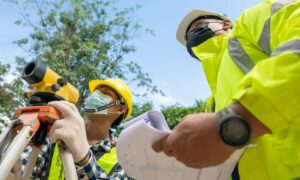
A due diligence survey helps developers understand a site before big decisions happen. It does not replace engineering or planning. Instead, it supports them by revealing key site conditions early.
Today, this type of survey plays a different role than it did in the past. It now acts as a feasibility tool. Developers use it to decide whether land deserves further investment.
This shift matters because land evaluation now extends beyond boundaries. Developers want a clearer picture of how the site will behave once development begins.
What Developers Learn from Early Site Evaluation
When infrastructure is tight, small details matter. Site conditions can affect drainage, access, and layout. A due diligence survey highlights these factors early.
For example, topography affects how water moves across the land. Poor drainage can limit building placement or increase construction costs. Existing site features may also affect utility routing or access points.
Because these details appear early, developers can adjust plans or walk away before costs rise. That flexibility saves time and protects capital.
Why Tampa Bay Makes This Step Even More Important
Fast-growing regions face unique challenges. Tampa Bay adds population faster than many support systems can expand. That gap creates pressure on existing infrastructure.
As a result, assumptions no longer work. A site that supported development ten years ago may struggle today. Conditions change as systems reach capacity.
Due diligence surveys help developers respond to current realities. They focus on what exists now, not what worked in the past. This forward-looking approach aligns better with today’s development risks.
Better Decisions Start with Better Information
Developers who invest in early land research make stronger decisions. They move forward with confidence or step back before problems grow.
This approach also improves communication. Clear survey data helps teams speak the same language. Engineers, planners, and designers work from shared information instead of guesses.
Because of this clarity, projects move smoother. Fewer surprises appear during permitting. Timelines stay realistic. Budgets remain under control.
Rethinking Timing in the Development Process
One major change stands out. The timing of the due diligence survey has moved earlier. Developers now order it before final negotiations or aggressive offers.
This shift reflects a smarter strategy. Instead of reacting to problems, developers anticipate them. That mindset protects both short-term schedules and long-term returns.
In a market like Tampa Bay, speed still matters. However, smart speed depends on strong preparation.
Infrastructure Reality Is Shaping Smarter Development
Tampa Bay is not running out of land. Instead, it is running out of easy assumptions. Infrastructure limits force developers to slow down and ask better questions.
A due diligence survey supports that process. It provides insight when it matters most. Developers gain clarity before committing resources.
As the region continues to grow, this step will only become more valuable. Those who adapt early will avoid costly delays. Those who ignore infrastructure risk may struggle to keep projects on track.
Final Thoughts
Development success today depends on understanding more than zoning and price. Infrastructure now plays a central role in project viability. Because of this change, the due diligence survey has become a key decision tool.
For developers working in Tampa Bay, early insight reduces risk. It helps teams plan with confidence and build smarter projects. In a market shaped by growth and limits, preparation makes the difference.