Tampa keeps growing. New homes rise, traffic increases, and roads expand to keep up. Recently, many Florida communities have discussed road widening and drainage upgrades. If you live along a busy street, you may wonder: Can the city take part of my yard? That question feels scary. However, the answer often comes down to one important document — the plat of survey.
Most homeowners never look at it. Yet when road projects begin, this document suddenly matters more than ever.
Why Road Projects Trigger Property Questions
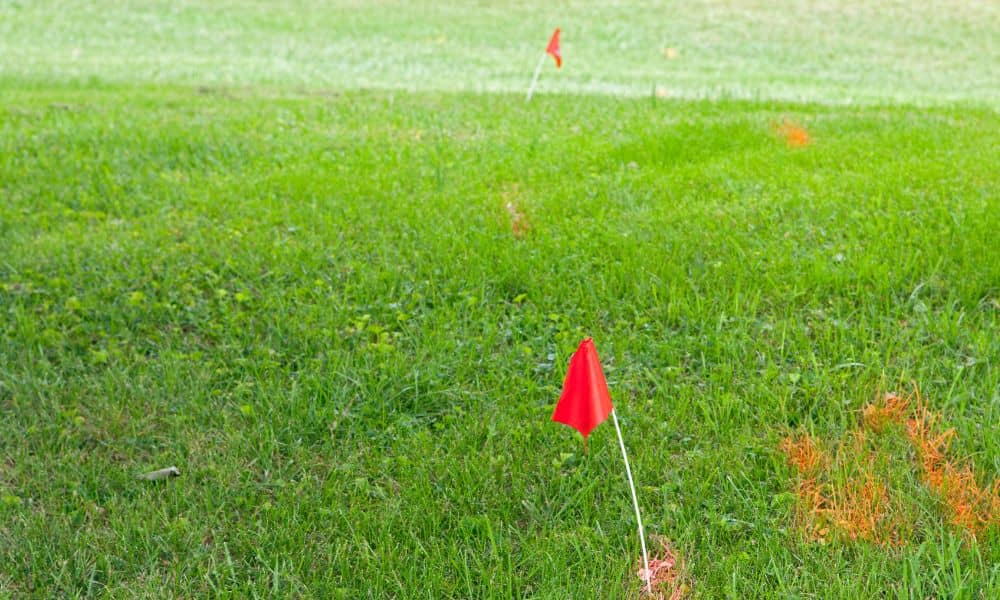
When the city widens a road, adds sidewalks, or upgrades storm drains, crews place survey flags along the street. Neighbors start talking. Some say, “They’re taking five feet.” Others say, “That grass strip was never ours.”
So who is right?
Before the city touches any land, engineers review the recorded plat of survey for that subdivision. This document shows what land was originally divided, sold, and dedicated for public use.
In many cases, the city does not take new land at all. Instead, it builds inside land that was already set aside decades ago.
That surprises many Tampa homeowners.
What a Plat of Survey Actually Shows
A plat of survey works like a detailed map of a neighborhood. When developers first create a subdivision, they record this document with the county. It divides land into lots, streets, and easements.
More importantly, it shows which areas were dedicated to the public.
Here’s what that means.
1. Right-of-Way (ROW)
Right-of-way, often marked as “R/W,” shows the full width of land reserved for the road. That width often extends beyond the pavement you see today.
For example, the asphalt may measure 24 feet wide. However, the recorded right-of-way could measure 60 or even 80 feet wide. The extra space may include grass shoulders, drainage swales, or utility areas.
So, while you mow that grassy strip, the plat of survey may show it as a public right-of-way.
As a result, the city does not need to “take” it later. It already holds the right to use it.
2. Public Utility Easements (PUE)
Next, the plat often shows utility easements along lot lines. These areas allow the city or utility companies to install pipes, power lines, and drainage systems.
During road upgrades, engineers often place new storm drains inside existing easements. Because those areas were already dedicated, the city can work there without buying land.
Therefore, understanding easements protects you from surprises.
3. Drainage Areas and Dedications
In Florida, drainage plays a huge role in road design. Many older subdivisions dedicated drainage strips along the street.
When flooding concerns rise, the city may improve those areas. Again, they rely on the original plat of survey to confirm what land was already public.
When the City Must Actually Acquire Land
Now, let’s address the bigger concern.
Sometimes, the existing right-of-way does not meet modern traffic needs. For example, Tampa may add turn lanes, bike lanes, or wider sidewalks. If the current dedicated width does not allow enough space, the city must acquire additional land.
At that point, the process changes.
If the project extends beyond the boundaries shown on the plat of survey, the city must negotiate with property owners. In some cases, eminent domain may apply. However, that only happens when the project requires land outside the already dedicated area.
So the key question becomes simple:
Does the project stay within the recorded right-of-way shown on the plat of survey?
If yes, compensation usually does not apply. If not, the city must follow a legal acquisition process.
Why Online Maps Cause Confusion
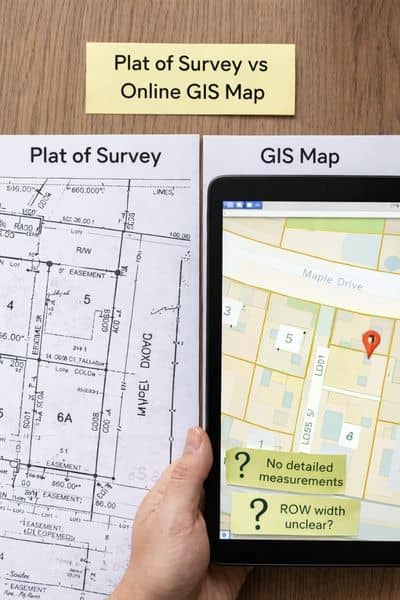
Today, many homeowners rely on online parcel maps. You can pull up your lot on a county GIS website in seconds. The lines look clear and precise.
However, those lines do not replace a recorded plat of survey.
GIS maps provide visual guides. They do not confirm exact boundary locations. They may not reflect monuments in the ground. Furthermore, they often show parcel edges without highlighting the full right-of-way width.
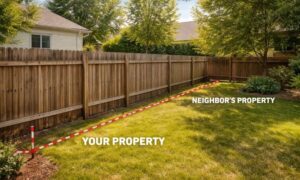
Because of this, homeowners sometimes place fences, landscaping, or mailboxes inside public right-of-way without realizing it.
Later, when road crews appear, the conflict begins.
At that point, the only way to settle the question is to go back to the original subdivision lines and verify them on the ground. Surveyors call that process a boundary retracement survey. Instead of relying on a digital map, it follows the original plat of survey and checks the physical markers that define the true limits.
In reality, the plat already showed the answer.
A Common Tampa Scenario
Imagine you own a corner lot along a busy road in Hillsborough County. You installed a decorative fence five years ago. It sits several feet behind the pavement, so you assumed it was safe.
Now the city plans to widen the road.
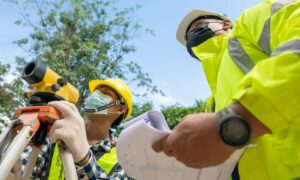
Surveyors place flags near your fence. You worry they plan to remove it. After reviewing the plat of survey, you discover the right-of-way extends farther into your yard than you thought.
The fence sits inside the dedicated public area.
While that feels frustrating, the city did not take new land. Instead, they used space reserved long ago when the subdivision formed.
This situation happens more often than people expect.
Why This Matters for Property Owners
Tampa continues to expand. As traffic grows, infrastructure upgrades will continue. Roads near schools, shopping areas, and new developments will likely see improvements.
Therefore, if your property fronts a main road, reviewing your plat of survey makes sense.
This document becomes more than paperwork. It becomes a financial protection tool.
Before you build:
- A fence
- A driveway extension
- A retaining wall
- Landscaping improvements
You should understand where public right-of-way begins.
How to Protect Yourself Before a Road Project Starts
First, locate the recorded plat of survey for your subdivision. Hillsborough County provides public access to recorded documents.
Next, identify the labeled right-of-way width along your lot.
Then, compare that width to where your improvements sit.
If something doesn’t make sense, or if the measurements feel unclear, it’s worth having a licensed land surveyor in Tampa take a look. A local surveyor can retrace the lines shown on the plat, check the physical markers in the ground, and explain exactly where public right-of-way ends and your private property begins.
That small step can save you from expensive adjustments or last-minute surprises later.
Growth Is Inevitable. Surprises Are Not.
Tampa will keep growing. Roads will widen. Drainage systems will improve. Infrastructure upgrades help the community move safely and reduce flooding.
However, confusion often creates stress.
The truth remains simple:
A plat of survey determines what land the city already controls and what land belongs to you.
When you understand that document, you remove uncertainty. You stop guessing. You plan with confidence.
So, if you hear about a road project near your property, do not wait until construction begins. Review your plat of survey now. Knowing your boundaries today prevents conflict tomorrow.