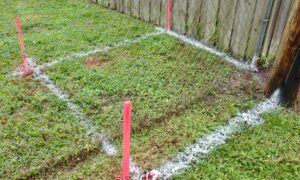
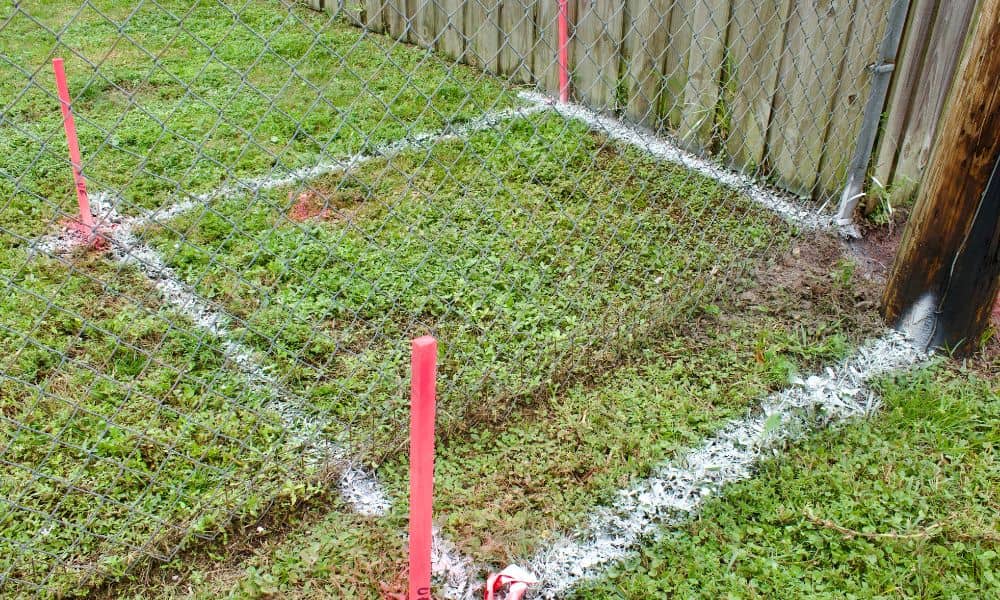
Planning a pool or putting up a new fence should feel simple. You look at your backyard, see the space, and start imagining how it will all come together. However, many homeowners in Tampa run into a problem they didn’t expect—utility easements. At first, everything seemed fine. The yard looks open, and the project feels doable. Then something changes. A permit gets delayed, or a contractor points out a restriction. That’s when it becomes clear that not every part of the yard can be used the way you thought. This is where a residential surveyor becomes important. Instead of guessing, you get clear answers before anything gets built. It’s worth taking a minute to see how this applies to your property, especially before you lock in any plans.
Why Your Backyard Isn’t Always Fully Usable
Most homeowners assume that if they own the land, they can build anywhere on it. That feels like the right way to think about it. Still, in many neighborhoods, parts of the yard come with limits that aren’t obvious at first.
For example, utility companies may have the right to access certain areas of your property. In other cases, parts of the yard need to stay open so water can drain properly. Because of this, building over those spots can cause problems later on.
The tricky part is that none of this really stands out when you’re just looking at the yard. It all looks usable. A lot of people only find out once plans are already in motion, which is where working with a residential surveyor early can quietly make things a lot easier.
What Utility Easements Really Mean for Your Property
A utility easement is a legal right that allows someone else to use a part of your property for a specific purpose. You still own the land, but you must allow access or avoid building in that space.
In many Tampa neighborhoods, these easements sit in the background of everyday life. You don’t notice them until you plan a project.
Some easements allow access to underground pipes or power lines. Others help manage stormwater, especially during heavy rain. In both cases, they play an important role, even if they seem invisible at first.
Because of that, placing a pool, fence, or structure in the wrong spot can create serious issues.
Why Easements Are Easy to Overlook
Many homeowners already have a survey from when they bought their home. However, that document can be hard to understand.
Lines may look faded. Labels may use short forms. Some markings may not stand out unless you know what to look for. As a result, it’s easy to miss an easement completely.
At the same time, people often assume that open space means buildable space. That assumption leads to trouble later, especially when plans move forward without a full review.
How a Residential Surveyor Brings Clarity Before You Build
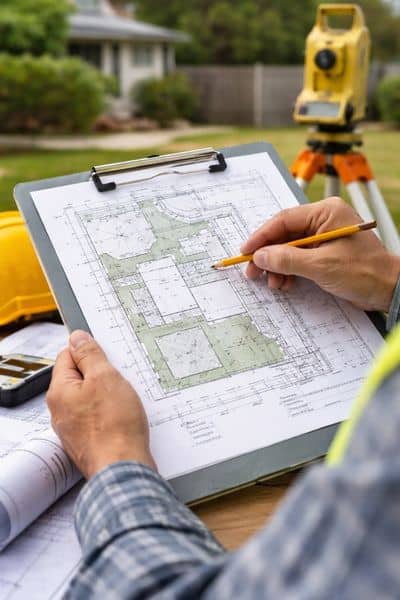
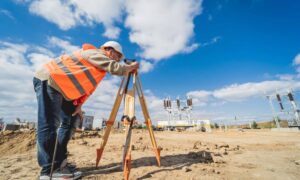
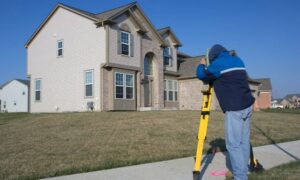
A residential surveyor looks at your property with a trained eye. Instead of just seeing lines on paper, they understand what those lines mean for real-world use.
They review your existing survey and check official records. Then, they identify where easements exist and explain how those areas affect your plans.
More importantly, they help you see your yard the way a builder or permit office would see it. That perspective makes a big difference.
Rather than moving forward with guesswork, you move forward with clear information.
What Happens When Easements Get Ignored
Skipping this step might seem harmless at first. However, the problems usually show up later.
For instance, a permit may get delayed once the city reviews your plans. In other cases, your layout may need to change, which can increase costs. Even worse, you may have to remove part of what you built.
Utility companies also have rights within easements. If something blocks their access, they can remove it. On top of that, blocking drainage paths can lead to water problems, not just for you, but for nearby homes as well.
Because of this, ignoring easements often leads to stress, delays, and extra expenses.
Why This Is Common in Tampa Homes
Tampa’s layout makes easements more common than many people expect. With frequent rain and shared infrastructure, properties often include drainage and utility access areas.
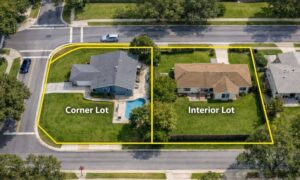
In many neighborhoods, these easements run along the back or side of the yard. On smaller lots, that can take up a big portion of usable space.
So even if your yard looks large enough for a project, part of it may already be spoken for.
That’s why homeowners in the area benefit from working with a residential surveyor early in the process.
The Right Time to Involve a Residential Surveyor
Timing plays a big role in avoiding problems. If you wait too long, you may already be dealing with changes or delays.
It’s better to bring in a residential surveyor before final plans are set. That way, you can adjust your design if needed and avoid surprises.
This step also helps when working with contractors. When everyone understands the limits of the property from the start, the project moves forward more smoothly.
Building with Confidence Starts with Clear Information
A backyard project should improve your home, not create new problems. While easements may not be easy to see, they can affect where and how you build.
By working with a residential surveyor, you gain a clear understanding of your property before construction begins. That clarity helps you plan better, avoid delays, and protect your investment.
In the end, it’s not about stopping your project. It’s about making sure everything goes the right way from the start.