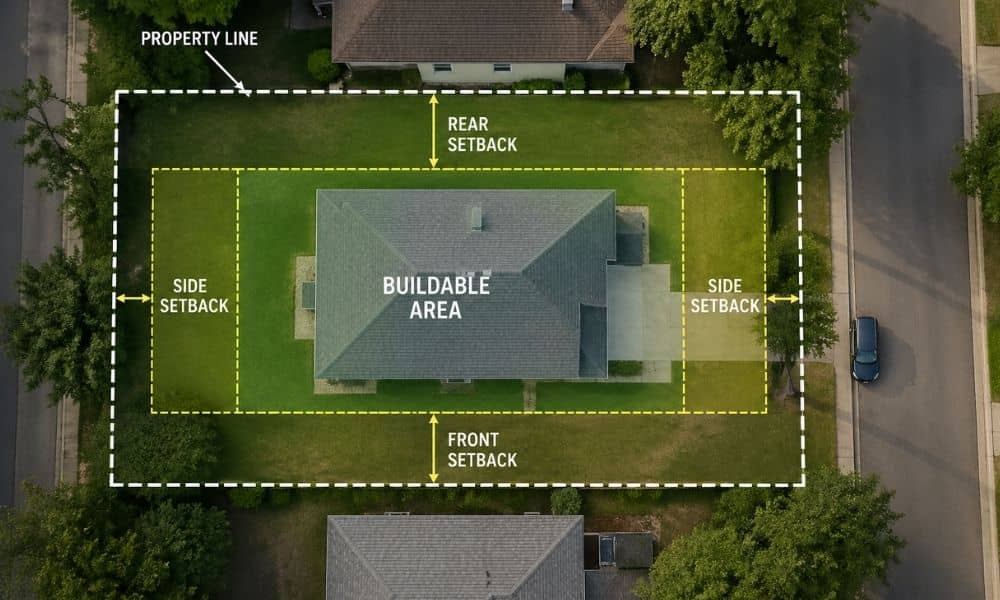
Tampa keeps growing, and a lot of that growth happens on smaller, tighter lots. You’ll see new homes squeezed between older ones. You’ll see empty parcels split into two or even three pieces. On paper, it looks simple. You buy a lot, then build what you want.
It doesn’t work like that.
Many property owners think their lot size tells them what they can build. It doesn’t. What matters is the space you can actually use. That space starts with one thing: a property line survey.
Without it, you’re guessing.
Why Narrow Lots Limit Buildable Space in Tampa
A wide lot gives you room to adjust. You can shift a house a few feet and still stay within the rules. A narrow lot doesn’t give you that luxury.
Every foot matters.
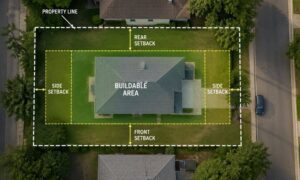
In many Tampa neighborhoods, especially older infill areas, lots run 40 to 60 feet wide. Now take away space on both sides for setbacks. Add a front yard requirement. Add a backyard buffer. That “buildable” space shrinks fast.
You might start with a decent-sized lot. You end up with a tight rectangle in the middle where your house must fit.
That’s why narrow lots expose mistakes early.
Lot Size vs Buildable Space: What You Can Actually Use
A lot may show 5,000 square feet, and that sounds like plenty of room. Still, that number doesn’t tell you much about what you can really use.
Once you factor in setbacks, easements, and lot shape, the usable area can shrink more than most people expect. That’s when it becomes clear how much space you can actually build on your lot.
- Lot size = total land area
- Buildable space = usable area for construction
Setbacks take a chunk out of that space. Easements take more. Even the shape of the lot can limit what you can use.
Take a 50-foot-wide lot as an example. If the rules require 7.5 feet on each side, you lose 15 feet right away. Now your buildable width drops to 35 feet.
That shift changes your plans fast. A design that looked fine on paper may not fit once the real limits come into play.
What a Property Line Survey Shows on Your Lot
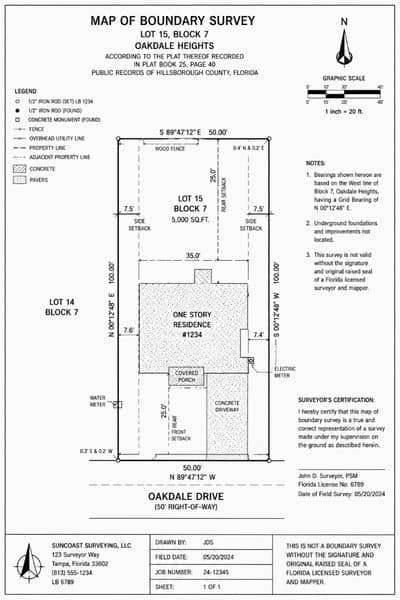
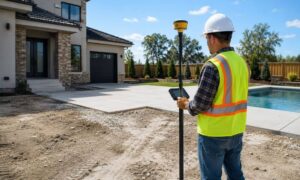
A property line survey gives you exact measurements. Not estimates. Not online map guesses.
You get:
- Clear boundary lines
- Marked corners on the ground
- The position of existing structures
- Distances between buildings and property lines
This matters more than people expect.
A fence might sit a foot inside the true line. A driveway might cross over. A shed might sit closer to the edge than allowed. These details affect your layout.
Survey data becomes the base for every design decision.
Setbacks: The Real Limit on Narrow Lots
Setbacks are rules that tell you how far a structure must sit from property lines.
They sound simple. They aren’t.
On a narrow lot, side setbacks have the biggest impact. Even small requirements can shrink your usable width.
Front setbacks push your home back from the street. Rear setbacks limit how far you can extend the structure.
Put them together and you get a tight box in the center of your lot.
Miss those numbers and your plans won’t pass review.
Easements That Reduce Buildable Area
Some parts of your land come with restrictions. Utility companies or the city may have rights to use certain areas. These are called easements.
They often run along the edges of a property. That’s the same space you need most on a narrow lot.
You may not see anything on the ground. No sign. No marker.
A survey reveals where those zones sit.
Build in the wrong spot and you risk delays, redesign, or removal.
How Lot Shape Affects What You Can Build
Not all lots are rectangles. Some angle in. Some curve along a road. Some widen in the back and narrow near the front.
Two lots can have the same size but very different buildable space.
Corner lots add another layer. They often have extra setback rules along the side that faces the street.
That cuts usable space even more.
A property line survey shows the true shape, not what it looks like at a glance.
Real Problems That Happen on Narrow Tampa Lots
This is where things get real.
A buyer purchases a narrow lot and hires a designer. The house plan looks fine. Then the survey comes in. The structure extends into a setback. The plan needs a full redesign.
Another owner wants to add a garage. The space seems open. The survey shows a utility easement right where the slab would go.
Someone else plans a new driveway. It turns out part of the paved area sits outside the legal boundary.
These problems don’t come from bad ideas. They come from missing data at the start.
Why Timing Matters
Many people wait too long to order a survey. That’s when problems show up and costs go up.
It’s better to handle it early, before you sketch a design, submit plans, or bring in a contractor.
Getting a property line survey in Tampa early on gives you a clear picture of what you’re working with. You know your limits, so you don’t waste time adjusting plans later.
Design teams work better with real numbers. They don’t guess, and they don’t have to redo layouts. Everything lines up from the start.
How Survey Data Helps Your Project Move Forward
A property line survey feeds directly into site planning.
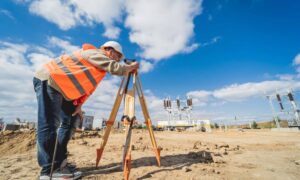
Designers use it to place the house in the correct position. Builders use it to mark layout points before construction begins.
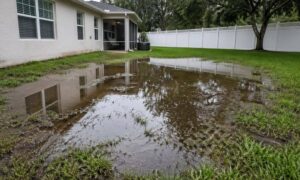
Engineers use it to align drainage and access.
Without that data, each step relies on assumptions. Those assumptions often fail once work starts.
Accurate lines lead to smoother builds.
What You Get From a Property Line Survey
The final product usually includes a drawing and field markings.
The drawing shows:
- Property boundaries
- Dimensions
- Structures and features
On the ground, surveyors mark corners and sometimes run lines for visibility.
This gives you both a visual plan and real-world reference points.
You can stand on the lot and see where things begin and end.
Why This Matters More in Tampa
Tampa’s growth puts pressure on land. Smaller lots, tighter spacing, and updated development rules all raise the stakes.
A mistake on a large parcel might go unnoticed. On a narrow lot, it can stop a project completely.
You don’t have extra space to fix errors. You need to get it right from the start.
Final Thought
A property line survey does more than show where your land ends. It shows what you can actually do with it.
On narrow Tampa lots, that difference decides whether your plans move forward or fall apart.
If you plan to build, start with the survey. Everything else depends on it.