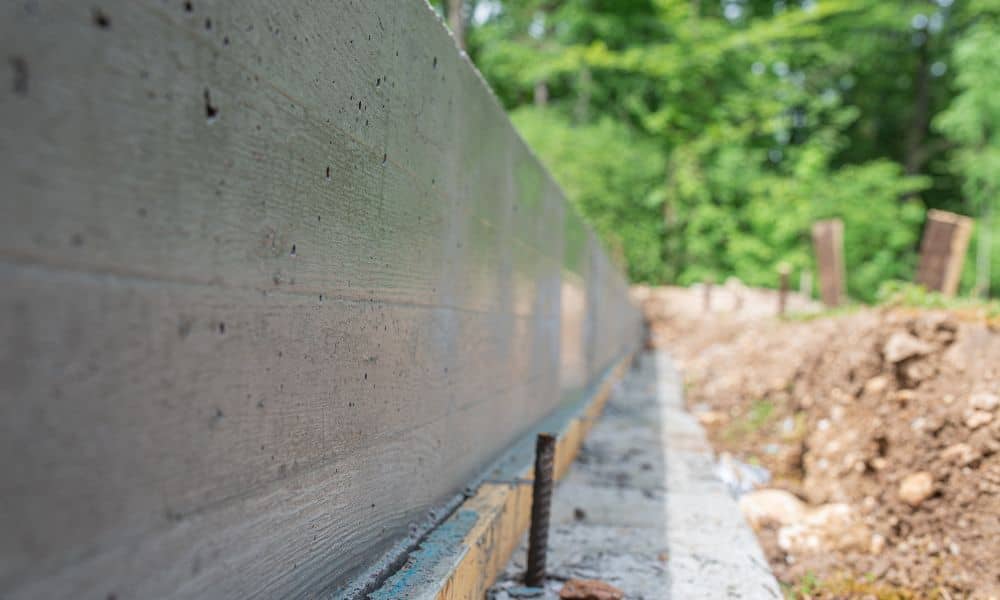
Tampa is growing fast. New homes rise in South Tampa. Investors split lots in Seminole Heights. Families add pools in Riverview. At the same time, fences pop up across Carrollwood and Westchase. Because of this rapid growth, one small detail now causes big problems: property line markers.
Most homeowners don’t think about them until trouble starts. However, once a neighbor questions a fence or driveway, those tiny markers suddenly matter a lot.
Tampa’s Growth Is Creating Tighter Boundaries
Tampa’s real estate market keeps moving. Builders tear down older homes and replace them with larger ones. Meanwhile, investors buy oversized lots and divide them into two or three smaller parcels. As a result, property lines sit closer together than ever.
In older neighborhoods, lots once felt wide and open. Today, every foot counts. Because land values keep rising, even a few inches can mean thousands of dollars.
That’s where property line markers come in. These small metal rods or capped pins mark the legal corners of your property. Surveyors place them with precision. They define exactly where your land begins and ends.
Yet many homeowners don’t know where those markers sit. Even worse, some don’t know they exist.
Why Property Line Markers Are Suddenly Causing Disputes
So why is this becoming a “hot issue” in Tampa?
First, more people build fences. Privacy matters more than ever. However, many homeowners assume the old fence shows the correct boundary. Unfortunately, that assumption often proves wrong.
Second, pool construction continues to rise. Tampa’s warm climate makes backyard pools popular. Before contractors pour concrete, they ask for boundary verification. If no one can find the property line markers, work stops.
Third, lot splits and new builds disturb the ground. Construction crews dig, grade, and move soil. During that process, they sometimes bury or damage existing markers. When that happens, confusion follows.
Finally, many people rely on online maps. Hillsborough County GIS maps look helpful. However, those maps show approximate lines — not legal boundaries. Therefore, when neighbors compare maps instead of markers, arguments start.
Real Situations Tampa Homeowners Face Right Now
This problem isn’t theoretical. It’s happening across Tampa Bay.
Imagine a homeowner in South Tampa who installs a new vinyl fence. A few weeks later, the neighbor claims the fence crosses onto their property by six inches. Both homeowners feel confident. Both check online maps. However, neither checks the actual property line markers.
Now tension builds. Eventually, they call a surveyor. The survey reveals the fence sits in the wrong place. The homeowner must remove and reinstall it — at their own cost.
Or consider a driveway expansion in Carrollwood. The contractor pours concrete near the edge of the lot. Later, someone discovers a buried corner marker under the new slab. That mistake leads to legal headaches and expensive corrections.
These stories repeat more often in 2026 because development continues at high speed.
What Property Line Markers Actually Look Like
Many people expect a tall post with a bright flag. In reality, property line markers often hide underground.
Most markers include:
- Iron rods driven into the soil
- Rebar with a plastic survey cap
- Concrete monuments at corners
Sometimes surveyors attach bright tape during active projects. However, once work ends, only the metal pin remains. Grass, mulch, and landscaping easily cover it.
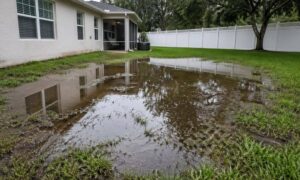
Because Tampa soil contains sand and shifts during heavy rains, markers can sink or shift slightly. Landscaping crews also disturb them during yard upgrades.
For that reason, homeowners should never assume they know where the boundary sits without professional confirmation.
Why This Matters More in 2026 Than Before
Tampa’s property values continue to climb. As prices rise, disputes carry higher financial stakes.
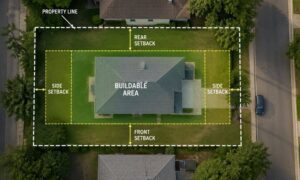
Additionally, new city rules and permitting checks require accurate setbacks. If a structure crosses a boundary or setback line, the city may issue a violation. Therefore, inaccurate assumptions can delay permits or stop projects.
Furthermore, buyers now ask more questions before closing. During home sales, lenders and title companies sometimes request updated surveys. Missing or disputed property line markers can delay a closing.
In a slower market, neighbors might ignore small encroachments. However, in a booming market, everyone protects their investment carefully.
The Hidden Cost of Ignoring Property Line Markers
Some homeowners try to save money by skipping a survey. At first, that choice seems harmless. However, the long-term cost can grow quickly.
You could face:
- Fence removal and replacement
- Legal fees
- Title issues during resale
- Forced structure modifications
- Neighbor disputes that damage relationships
On the other hand, verifying property line markers before construction often costs far less than fixing mistakes later.
When Should You Verify Your Property Line Markers?
If you live in Tampa and plan improvements, this is the moment to pause and make sure you truly know where your lot begins and ends. A quick step to verify your property boundaries before construction can prevent a much bigger problem later.
You should consider calling a licensed surveyor if you plan to:
- Install or replace a fence
- Add a pool
- Expand a driveway
- Build an addition
- Divide a lot
- Resolve a neighbor dispute
Even if no one has raised concerns, confirming your corners now brings peace of mind. In fast-growing neighborhoods, small assumptions can turn into expensive corrections. It’s always easier to confirm the line first than to argue about it after concrete is poured.
Why Professional Verification Matters
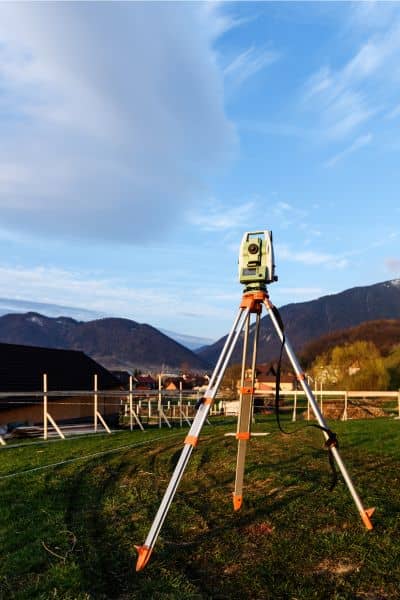
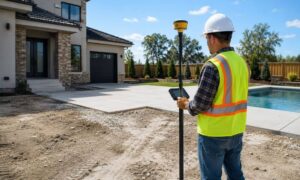
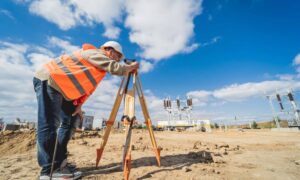
Only a licensed land surveyor can legally locate, confirm, and reset property line markers. Surveyors review deeds, subdivision plats, and past records. Then they use precise equipment to confirm each corner with accuracy.
In a fast-moving market like Tampa, that level of detail makes a real difference. Many homeowners start by asking neighbors or checking online maps, but that often leads to more confusion. Instead, reaching out to a local firm such as Tampa Land Surveying gives you clarity from the start — especially when you’re planning a fence, pool, or addition.
This process removes guesswork. It also creates documentation you can use for permits, construction, and future sales. When everything lines up properly, projects move forward with fewer delays and fewer surprises.
Importantly, moving or disturbing a marker without authorization can create legal trouble. Therefore, homeowners should rely on professionals rather than trying to solve boundary questions on their own.
Tampa’s Real Estate Boom Isn’t Slowing Down
All signs show continued growth across Tampa Bay. New developments rise in Wesley Chapel. Renovations continue in Hyde Park. Investors keep purchasing older properties for redevelopment.
Because land values keep climbing, clear boundaries matter more than ever. Property line markers protect homeowners from conflict, delays, and financial loss.
In 2026, these small metal pins will become powerful tools. They protect investments. They prevent disputes. They support safe construction.
So before you start your next project, pause for a moment. Ask yourself: Do I truly know where my property begins and ends?
If you’re unsure, verifying your property line markers now can save stress, money, and neighbor tension later. In Tampa’s booming real estate market, clarity always wins.