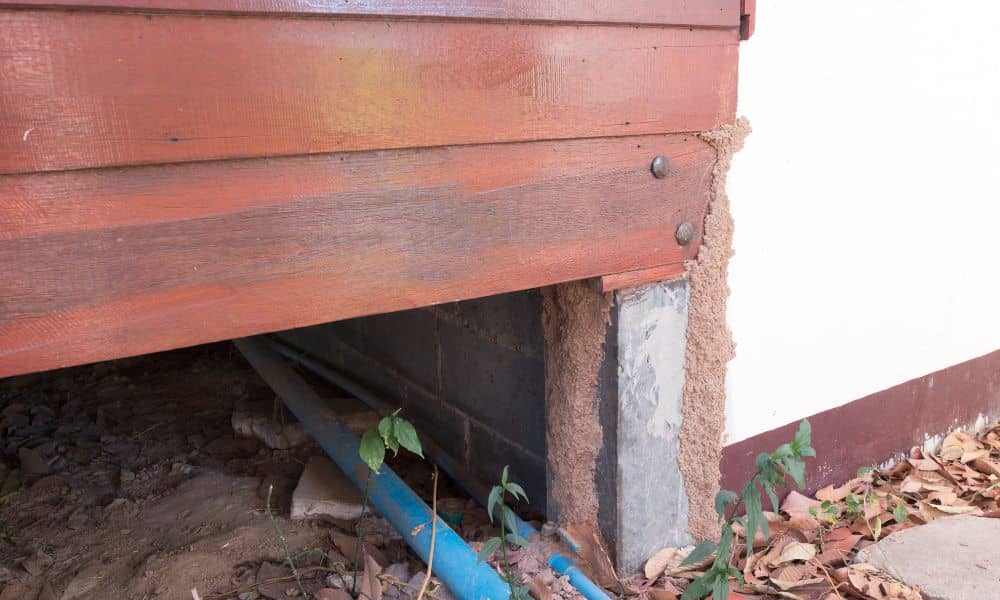
Florida has always battled termites. However, recent reports about invasive termite species spreading across the state have raised new concerns for homeowners. In humid cities like Tampa, this news feels personal. Termites thrive in warm, damp conditions. That means older wood-framed homes, backyard fences, and detached garages face higher risk than ever. At first glance, termites may not seem connected to home survey cost. After all, a survey measures land boundaries. But when termite damage shows up during inspections, buyers and homeowners suddenly need more than pest control. They need clarity. They need documentation. And often, they need a survey.
Termites Are Changing Buyer Behavior in Tampa
When buyers hear about termite outbreaks, they act fast. They schedule inspections earlier. They negotiate harder. They ask more questions about property conditions and long-term risk.
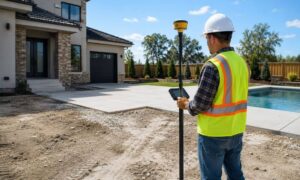
For example, imagine you are buying a 1950s home in South Tampa. The inspector finds termite damage along the back fence and part of the detached shed. Now you plan to rebuild. However, before a contractor sets new fence posts or pours concrete, you must confirm where your property line actually sits.
That is when the conversation about home survey cost begins.
Buyers who once planned to “wait and see” now order full boundary surveys before closing. Investors who plan renovations want certainty before spending thousands on repairs. As a result, survey demand continues to grow across Tampa neighborhoods with older homes.
Repairs Often Lead to Permit Requirements
Termite damage rarely stays small. Once wood weakens, homeowners replace full sections. They rebuild fences. They repair decks. Sometimes, they remove damaged sheds and construct new ones.
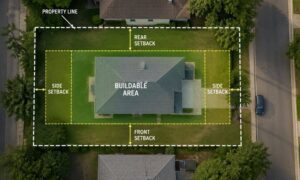
However, the City of Tampa and surrounding counties often require permits for structural changes. Permits require setbacks. Setbacks require verified property lines.
Therefore, what started as a pest issue quickly turns into a boundary issue.
If you rebuild a fence, you must install it inside your property line. If you rebuild a garage, you must meet minimum distance rules from the lot boundary. Without a proper survey, mistakes can happen. Those mistakes cost far more than the original home survey cost.
So while termites do not directly change survey pricing, they increase the need for more complete and documented survey work.
Older Tampa Homes Require More Research
Many termite-prone homes sit in established areas like Seminole Heights, Palma Ceia, and West Tampa. These neighborhoods developed decades ago. Some plats contain missing monuments. Others rely on older legal descriptions that require deeper research.
When surveyors work on older properties, they spend time reviewing county records, prior surveys, and subdivision maps. They search for corner markers that may have shifted or disappeared over time.
That extra research affects home survey cost.
Lot size alone does not control pricing. A small urban lot can require more work than a larger, newer parcel in a modern subdivision. Complexity drives effort. Effort drives cost.
As termite concerns push buyers toward older properties with strong structures or renovation potential, survey complexity naturally increases.
The Due Diligence Stack Is Growing
Today’s buyers rarely order one service in isolation. Instead, they build a protection plan.
First comes the termite inspection. Next comes a structural review if damage appears. Then contractor estimates follow. Finally, many buyers add a boundary survey to confirm everything before repairs begin.
This “due diligence stack” increases total closing expenses. However, it also reduces long-term risk.
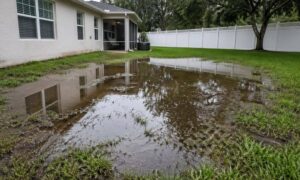
In Florida’s climate, moisture and pests remain constant threats. As a result, buyers want proof before investing in repairs. They want documented boundaries before placing new structures. In this context, home survey cost becomes part of a smart risk management plan.
Real Tampa Situations Homeowners Face
Consider a homeowner in Carrollwood who discovers severe termite damage in a backyard fence. They plan to rebuild immediately. However, the neighbor believes the original fence crossed the property line years ago. Instead of guessing, the homeowner orders a boundary survey. The survey prevents a future dispute and protects the new investment.
Now consider an investor buying a termite-damaged rental in Seminole Heights. They remove a shed and plan to add a small accessory unit. The city requires drawings that show property lines. Without a sealed survey, the permit process stalls. Therefore, the investor includes home survey cost in the renovation budget from the beginning.
Finally, think about waterfront properties near Tampa Bay. High moisture levels increase termite risk around docks and rear decks. When owners rebuild these structures, they must confirm setbacks from seawalls and lot boundaries. A survey protects both structural investment and legal compliance.
In each case, termite concerns trigger construction decisions. Construction decisions trigger boundary verification.
What Actually Determines Home Survey Cost
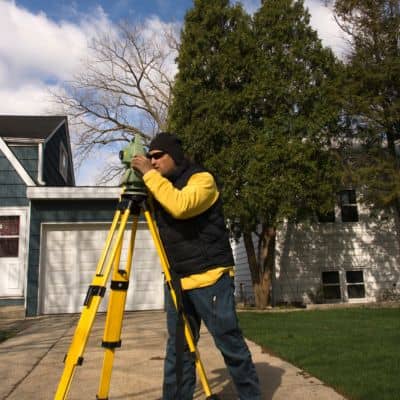
While termite news drives demand, the price still depends on specific factors.
Survey type matters first. A simple corner marking costs less than a full signed boundary survey with documentation. However, most repair and permit projects require sealed drawings.
Next, record clarity affects time. Clean subdivision records reduce research. Older metes-and-bounds descriptions increase it.
Access also plays a role. Dense vegetation, tight urban spacing, locked gates, and limited line-of-sight conditions slow fieldwork.
Timeline pressure influences cost as well. If you need a survey completed before closing in a few days, scheduling becomes tighter and may increase pricing.
Therefore, termites influence the need for surveys. They do not change how surveyors calculate effort. Still, because more homeowners now request full documentation instead of minimal marking, average home survey cost feels higher.
Planning Ahead Protects Your Budget
You can reduce surprises with early planning.
If you suspect termite issues, schedule inspections quickly. Then ask your contractor whether repairs require permits. Contact a local surveyor before finalizing construction plans.
Clear communication helps the surveyor recommend the correct service level. That prevents ordering more than you need or less than the city requires.
Also remember that a survey remains useful beyond one project. Once completed, you can use it for future improvements, fencing, additions, or resale documentation.
Home Survey Cost Is Protection — Not Just a Line Item
In termite-heavy regions like Tampa, hidden damage creates stress. However, boundary mistakes create even bigger financial problems.
Imagine rebuilding a fence only to tear it down after a dispute. Picture constructing a shed that violates setback rules. Corrections cost far more than a professional survey.
As termite stories spread across Florida, buyers respond with caution. They protect their investments from every angle. That includes verifying property lines before repairs begin.
So yes, termite activity indirectly influences home survey cost. Not because surveyors suddenly raise prices. Instead, homeowners demand stronger documentation and clearer boundaries before rebuilding.
In today’s market, certainty matters. And sometimes, the quiet step — a professional survey — makes the biggest difference in protecting your property and your peace of mind.