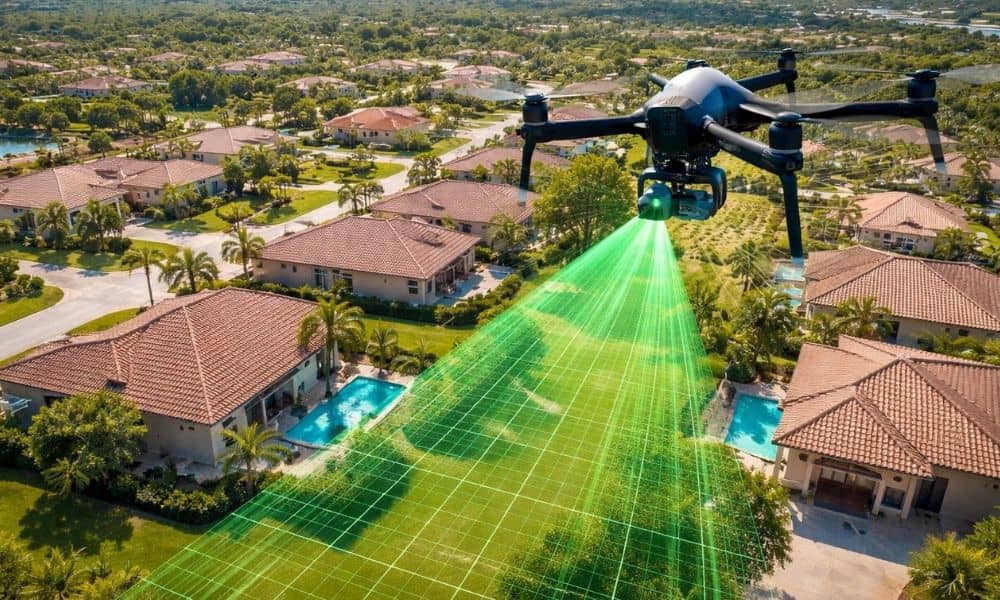
Over the past few days, a viral tech story made many homeowners uneasy. Reports claimed that some smart devices—like robot vacuums and home cameras—used laser sensors to map the inside of houses. Even worse, some of that data ended up stored in the cloud. As a result, people began asking a serious question: Is Lidar Mapping putting our homes at risk?
If you live in Tampa, that question probably feels even more personal. After all, property values are rising, flood insurance keeps changing, and technology touches almost every part of homeownership. So let’s slow down and separate fear from fact.
First, What Is Lidar Mapping?
Lidar Mapping uses laser pulses to measure distance. The system sends out thousands of tiny light signals. Then it records how long they take to bounce back. From that data, it creates a detailed 3D model.
That sounds intense. However, the purpose depends on how the technology gets used.
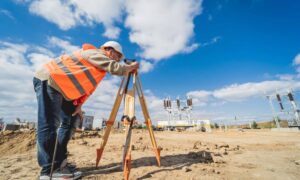
For example, consumer devices use small lidar sensors to map room layouts. A robot vacuum may scan your living room so it avoids furniture. In contrast, professional lidar mapping focuses on land, not interiors. Surveyors use it to measure ground elevation, slopes, and surface features.
So right away, we see a big difference.
Why the Viral Story Caused Confusion
The recent tech news blurred lines between consumer gadgets and professional surveying tools. Since both use lasers, many people assumed they worked the same way.
However, that assumption creates unnecessary fear.
Smart home devices often connect to the internet. They store data in remote servers. Sometimes, companies use that information to improve software. In rare cases, poor data protection causes leaks. That is what triggered headlines.
Meanwhile, professional lidar mapping does not scan inside your home. It does not record personal items. It does not track behavior. Instead, it captures outdoor land surfaces.
That distinction matters.
What Professional Lidar Mapping Actually Captures
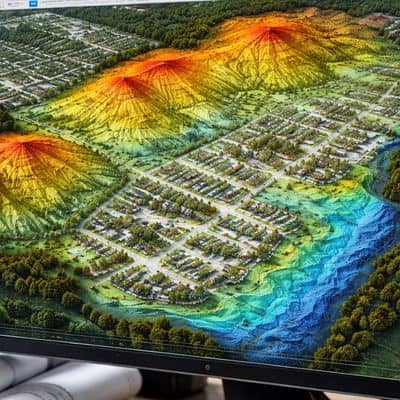
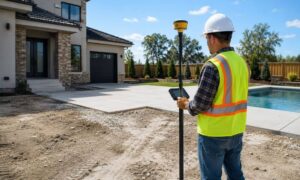
If you hire a surveyor in Tampa, their Lidar Mapping system focuses on exterior measurements only.
Ground elevation comes first. The system measures terrain height. It shows slopes, dips, and drainage paths. This data helps engineers understand how water moves across your property.
Next, it captures surface contours. Lidar reveals natural and built features, such as driveways, sidewalks, and landscaping. However, it does not see through walls.
Sometimes, surveyors measure roof elevations to confirm flood compliance. Even then, the system reads exterior surfaces only.
In other words, professional Lidar Mapping creates a land model—not a floor plan.
Why This Matters in Tampa
Tampa faces unique challenges. Because we live near the coast, elevation plays a huge role in property decisions. Storm surge, heavy rain, and rising insurance costs affect thousands of homeowners.
Therefore, accurate land data becomes critical.
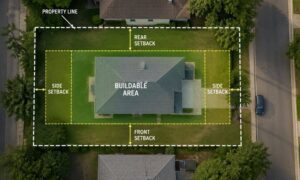
For example, if you plan to buy a home near Tampa Bay, you want to know the true elevation. If you build an addition, you must confirm drainage flow. If you apply for a FEMA elevation certificate, you need precise measurements.
Lidar Mapping supports all those needs.
Yet without understanding the technology, some homeowners may hesitate. They hear “laser mapping” and picture someone scanning their bedroom. That fear, while understandable, does not match reality.
The Real Risk: Misinformation
Technology itself rarely causes harm. Instead, confusion does.
When people misunderstand Lidar Mapping, they may delay important surveys. They may skip elevation checks before hurricane season. They may avoid updating property data that could reduce insurance costs.
Meanwhile, Tampa continues to grow. New construction rises in South Tampa, Wesley Chapel, and Riverview. Builders rely on accurate terrain models before they pour foundations. Without clear mapping, mistakes happen.
So rather than fearing Lidar Mapping, homeowners should focus on choosing the right professionals.
How to Tell the Difference
If you want peace of mind, ask a few simple questions:
Is the Lidar Mapping used for exterior land measurement only? Is the provider a licensed land surveyor? Will I receive a formal survey deliverable? How is my data stored and protected?
Licensed professionals follow strict standards. They document measurements carefully. They provide reports, not raw consumer data uploads. Most importantly, they measure land—not personal spaces.
That level of transparency builds trust.
Why Lidar Mapping Can Actually Protect Your Home
Now let’s flip the script.
Instead of asking whether Lidar Mapping puts your home at risk, consider how it may reduce risk.
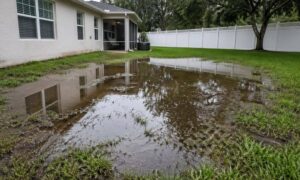
For instance, detailed elevation data can help you identify low spots that collect water. It can guide drainage improvements. It can verify flood zone positioning. It can support insurance documentation. It can also prepare your property for future construction.
Additionally, clear land models help avoid costly surprises. You don’t want to discover a slope problem after building a pool. You don’t want foundation issues because someone guessed the grade.
Lidar Mapping provides clarity before problems start.
Technology Isn’t the Enemy
Every new tool creates questions. That’s normal. However, we should judge technology by how people use it.
Consumer gadgets sometimes raise privacy concerns. That conversation matters. Still, professional Lidar Mapping serves a different purpose. It supports planning, safety, and property value protection.
In Tampa’s climate, accurate elevation data protects investments. It helps families make informed decisions. It supports smart development in growing neighborhoods.
So while headlines may spark fear, facts provide balance.
Final Thoughts
The viral tech story caught attention for good reason. People care about privacy. They want control over their data. That concern deserves respect.
However, professional Lidar Mapping does not invade your home. It does not spy on your living space. Instead, it measures outdoor land surfaces to improve planning and reduce risk.
In a city like Tampa—where elevation, drainage, and storm preparedness matter—good data makes a real difference.
So before assuming the worst, take time to understand the tool. When used responsibly by licensed professionals, Lidar Mapping helps protect your property rather than threaten it.
And that’s the story homeowners truly shouldn’t ignore.