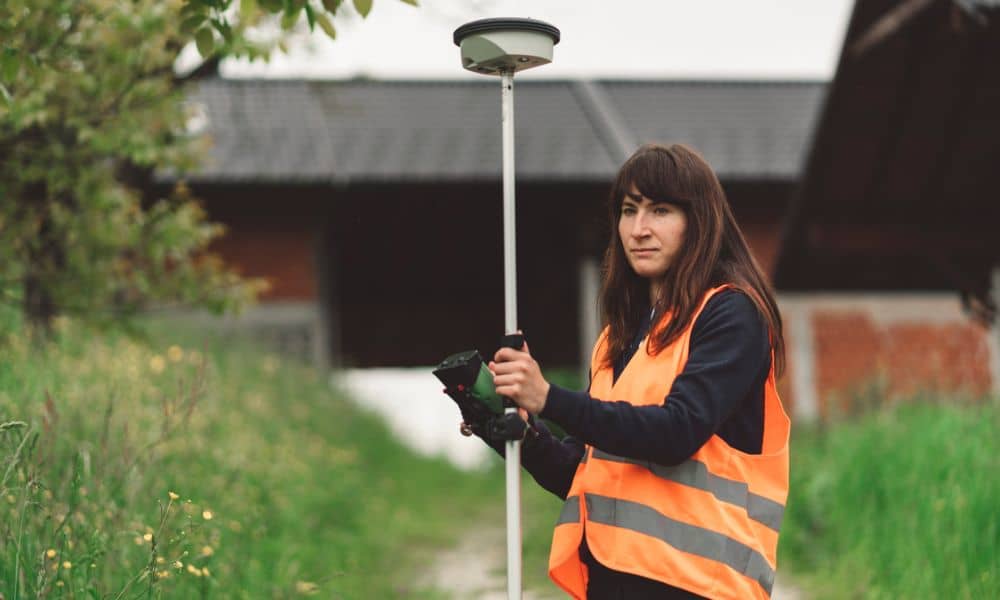
When people search for land survey companies near me in Tampa, they usually face a time-sensitive decision. Maybe a fence project is coming up. Maybe a permit office asked for a survey. Sometimes a neighbor disagreement pushes things forward. No matter the reason, most owners reach out before they fully understand what they need.
That creates delays, confusion, and wrong quotes.
However, a short property check before you call a survey company makes the whole process easier. You don’t need technical skills. You don’t need special software. You just need a few minutes and the right focus.
Why Most Survey Requests Start With Missing Context
Surveyors get calls every day that start with “I need a survey,” but stop there. While that sounds clear, it actually leaves too many unknowns. A boundary check, a topographic survey, a construction layout, and an elevation certificate all serve different purposes. Each one takes different time and field work.
Because of that, survey companies must ask follow-up questions. That back-and-forth slows down pricing and scheduling. On the other hand, when a property owner already understands the basics of their lot, the conversation moves faster and feels more productive.
Preparation doesn’t replace a professional survey. Still, it helps you order the correct one the first time.
Start With What the County Already Knows About Your Lot

Before you contact any surveyor, it helps to look up your parcel record through the county property system. Tampa-area records usually show your parcel or folio number, lot size, and legal description. This information gives surveyors a clean starting point.
More importantly, it confirms that everyone talks about the same piece of land. Many properties share similar street numbers or subdivision names. Parcel data removes that confusion right away.
You don’t need to study every field. Just having the parcel ID ready makes you sound prepared and serious about your request. As a result, survey companies can check mapping and record data much faster.
Online Property Maps Help — But They Also Mislead
Most owners look at online parcel maps before they search for a surveyor. That makes sense. These maps show lot shapes and nearby parcels in a simple view. They help you picture your property in relation to roads and neighbors.
However, this is where many owners get into trouble.
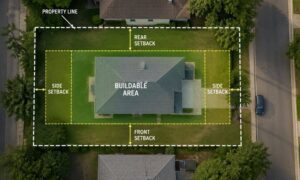
Online map lines are not legal boundaries. They shift. They round corners. They often sit several feet off the true line. So while they work well for general orientation, they should never guide fence placement or construction decisions.
Surveyors see this problem often. A homeowner trusts the map, installs improvements, and later discovers the line sits somewhere else. That leads to stress and extra cost. Therefore, treat online maps as visual guides only, not proof.
Older Surveys and Plats Tell a Story — Not the Final Answer
Some property owners already have a survey from years ago. Others find a plat map from when the subdivision started. These documents help, and you should absolutely share them with your surveyor if you have them.
Still, they rarely settle today’s questions by themselves.
Conditions change over time. Markers move. Fences go up in the wrong place. Additions alter the usable space. Because of that, surveyors treat older surveys as reference material, not final authority. They still verify everything in the field.
Even so, when you provide older documents early, survey companies can compare past and present data more efficiently. That often reduces research time.
Tampa Properties Bring Extra Elevation and Flood Questions
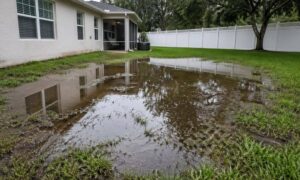
In the Tampa area, elevation and drainage matter more than many owners expect. Flood zones shift. Insurance rules change. Permit offices sometimes request elevation data even for small projects.
For that reason, it helps to check whether your property sits in or near a mapped flood zone. That one detail can change the type of survey you need. A simple boundary survey may not support a permit if elevation data is required.
This doesn’t mean you must become an expert. It simply means you should know whether flood risk plays a role in your project. When you mention that during your first call, the surveyor can guide you more precisely.
Your Real Goal Matters More Than the Word “Survey”
Interestingly, the word “survey” causes confusion because it sounds like one product. In reality, surveys solve different problems. So instead of focusing on the word, focus on your goal.
Are you building something? Settling a boundary doubt? Preparing for a purchase? Planning a house site? Each situation points toward a different scope of work.
When owners explain their goal clearly, surveyors can match the right service quickly. That leads to better pricing and fewer revisions. In contrast, vague requests often produce vague answers.
Clarity saves time on both sides.
Good Survey Companies Value Prepared Clients
Survey professionals appreciate clients who arrive with basic property context. It shows respect for the process and helps the project start smoothly. You don’t need technical language. Plain explanations work fine.
Share your address, parcel ID, timeline, and purpose. Mention any known issues like a disputed fence line or uneven terrain. That short summary gives the survey team enough direction to respond with useful next steps.
When people search for land survey companies near me, they often compare speed and price. Yet quality survey work depends just as much on clear communication. Preparation supports that.
A Few Minutes Now Can Prevent Weeks of Delay
It’s easy to rush straight into hiring. However, a short pre-check gives you leverage. You understand your property better. You ask smarter questions. You receive more accurate guidance.
Most importantly, you avoid ordering the wrong type of survey and restarting later.
So before you call a survey company, take a few minutes to review your parcel record, map view, and project goal. Then reach out with confidence. A licensed surveyor can handle the technical work — and you’ll already be one step ahead.