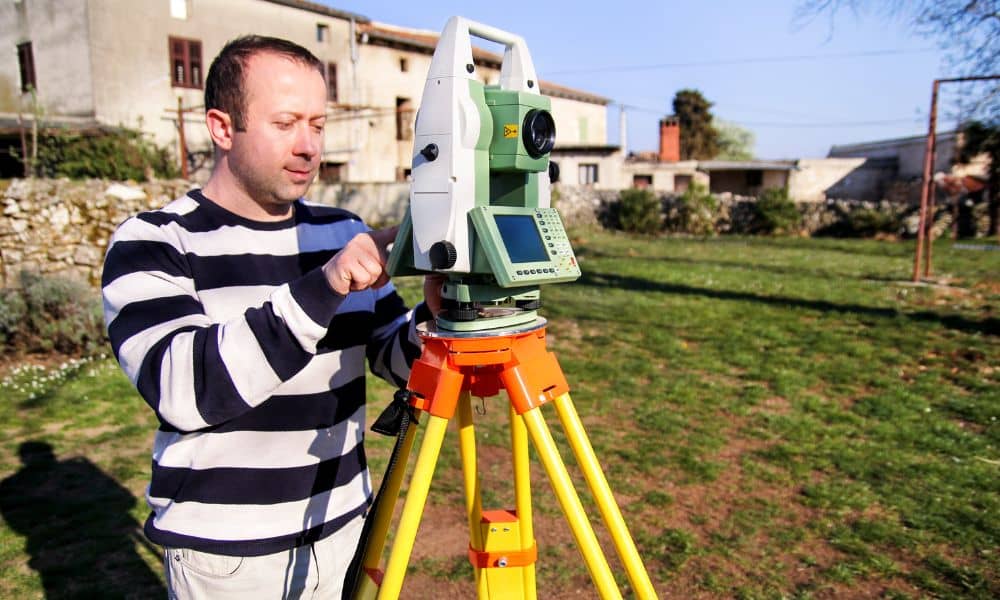
Property line fights rarely start big. Instead, they begin with something small. A neighbor moves a stake. A new driveway looks too close. A shed appears near the edge of a yard. Then voices rise, screenshots come out, and both sides feel completely sure they are right. You’ve probably seen these arguments online. Viral videos show neighbors yelling across fences and pointing at phone maps. Each person claims the line sits in a different place. However, none of that actually proves anything. In real disputes, only one kind of proof ends the fight for good: the work of a professional land surveyor.
The Internet Is Full of Property Line “Proof” — But Most of It Fails
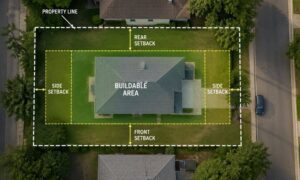
Today, almost everyone checks property lines online first. It feels fast and easy. You open a parcel map, zoom in, and draw a conclusion. Unfortunately, those maps don’t show legal boundaries. They show rough estimates.
For example, county parcel viewers help with taxes and planning. They do not fix legal corners on the ground. Satellite images also look sharp, yet they shift and distort. Even GPS phone apps can drift several feet.
Still, during a dispute, people trust what they see on a screen. As a result, both neighbors arrive with different maps and strong opinions. Neither brings legal boundary evidence. Therefore, the argument keeps going.
Why Property Line Fights Turn Emotional So Fast
Land feels personal. People invest money, time, and pride into their property. Because of that, even a small boundary question feels like a big threat.
Also, many owners rely on memory and habit. They say things like:
- “The old owner told me this was the line.”
- “That fence has always been there.”
- “We’ve used this strip for 20 years.”
However, long use does not automatically equal legal ownership. Verbal history does not override recorded boundaries. Even long-standing features can sit in the wrong place.
Meanwhile, once emotions rise, logic drops. Neighbors stop asking questions and start defending positions. At that point, only solid evidence can reset the conversation.
The Most Common Types of Boundary “Proof” That Don’t Hold Up
During disputes, people bring many forms of “proof.” Most of them sound convincing but fail under review.
You’ll often see:
Screenshots from map websites Printed parcel outlines Tape measurements from a corner guess Contractor layout marks Old sketches without a seal Handshake agreements between past owners
These items help with rough planning. They do not settle legal lines. In fact, they often make things worse because they give false confidence.
On the other hand, boundary resolution needs measured facts tied to records — not visual guesses.
The Boundary Evidence Ladder (From Weak to Defensible)
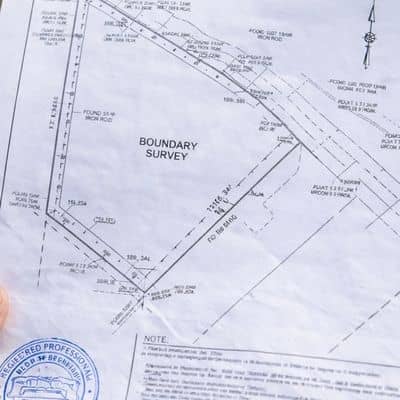
Think of boundary proof like a ladder. Some evidence sits at the bottom. Other evidence stands at the top.
At the bottom, you find visual tools and personal claims. They guide opinions but not decisions.
In the middle, you might see older survey copies. These help, yet they may be outdated or based on older standards. Without field verification, they still leave room for doubt.
At the top sits the work of a professional land surveyor. This level includes record research, field measurements, and verified boundary corners. It also includes a signed and sealed survey document. That combination carries legal weight.
Because of that, courts, attorneys, title companies, and municipalities accept it. Social media does not decide boundaries. Defensible survey work does.
What a Professional Land Surveyor Provides That Others Cannot
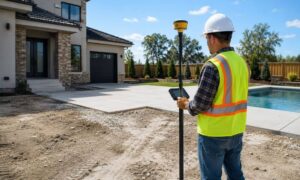
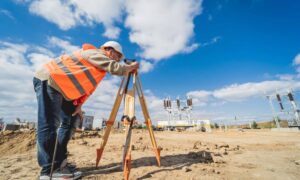
A professional land surveyor does more than measure distance. First, they study recorded deeds, plats, and prior surveys. Next, they compare those records against what exists on the ground. Then, they search for original boundary markers and reference points.
After that, they run precise measurements and resolve gaps between records and reality. Finally, they produce a signed survey that shows the boundary position based on evidence — not guesswork.
This process turns confusion into clarity. More importantly, it creates a boundary position that others can rely on and defend.
That difference matters when money, construction, or legal risk sits on the line.
How Real Property Line Disputes Actually Get Resolved
Online arguments rarely show the ending. In real life, disputes follow a clearer path.
First, two parties disagree. Next, each side presents informal proof. Then, neither side accepts the other’s claim. The conflict stalls.
However, once a professional land surveyor enters the picture, the process changes. Measured evidence replaces opinion. Boundary markers get verified. Documentation appears.
At that point, resolution options open up. Neighbors can negotiate adjustments. Attorneys can review facts. Title companies can proceed with confidence. The argument shifts from emotion to evidence.
Therefore, the survey does not just measure land — it unlocks resolution.
Why Boundary Conflicts Often Surface Late
Many boundary problems hide for years. Owners don’t notice them because nothing forces the question. Then something changes.
A new buyer reviews the lot. A neighbor plans an improvement. A lender asks for clarity. Suddenly, the assumed line gets tested.
Older neighborhoods face this often. Different owners built features at different times. Each one trusted visible edges instead of measured ones. Over time, small errors stacked up.
Consequently, today’s owners inherit yesterday’s mistakes. Without a professional survey, they also inherit the dispute risk.
Evidence First vs Escalation First
When conflict starts, people often rush to threats or legal talk. That move usually raises tension and cost.
A smarter path starts with evidence. Get the boundary measured. Put facts on the table. Then talk about solutions.
Evidence-first conversations stay calmer and shorter. Escalation-first conversations grow expensive and hostile.
In many cases, clear survey evidence stops the fight before it grows teeth.
The Bottom Line: Opinions Go Viral — Survey Evidence Wins
Viral property line fights attract views because they show drama. Yet drama never fixes a boundary. Screenshots never settle a line. Loud voices never move a legal corner.
Only measured, documented, defensible boundary work does that.
A professional land surveyor provides the only evidence that actually ends a property line fight. Everything else remains opinion.
So if a boundary question starts to grow, don’t argue louder. Bring better evidence.