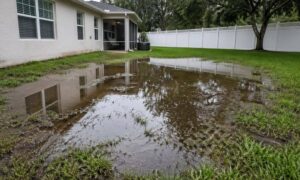
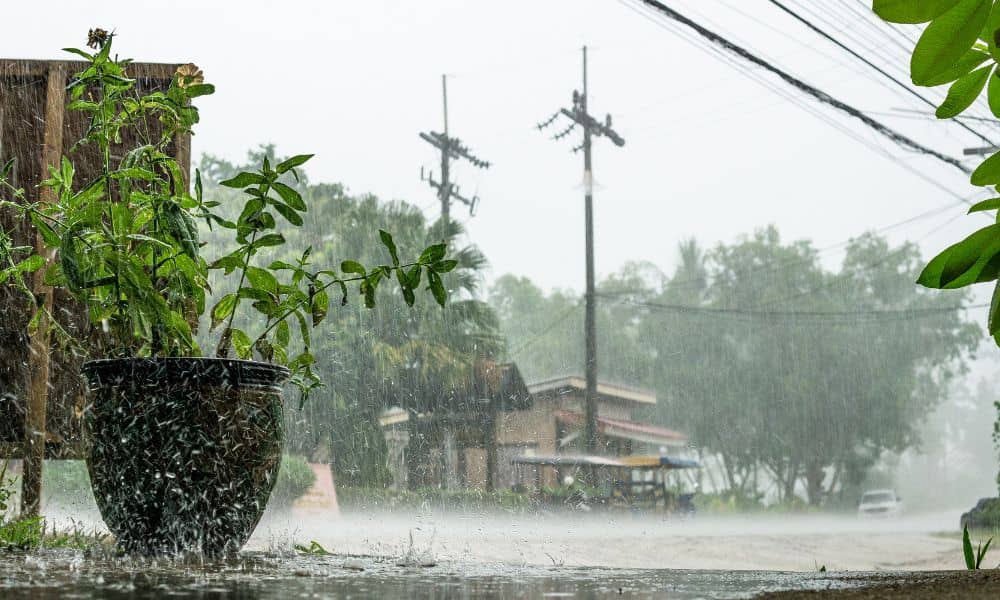
If you follow Tampa news even a little, you’ve probably seen how often weather takes center stage. One week it’s record rainfall. The next week it’s an unusual cold snap. Then a storm drops heavy water in a short time and streets start to flood. Photos spread fast. Neighborhood groups light up. Everyone talks about risk — at least for a few days. However, most of that attention fades quickly. People move on to the next headline. Meanwhile, one important detail about every property never changes with the news cycle: how high the structure sits above flood level. That quiet number matters more than the viral story. And that’s exactly where an elevation certificate becomes valuable.
Most owners don’t think about this document until someone asks for it. Unfortunately, that request often arrives during a deadline, not during a calm moment.
What Extreme Weather News Triggers Behind the Scenes
When extreme weather stories circulate, they don’t just affect public conversation. They also change behavior inside insurance and lending offices. Underwriters grow more careful. File reviews become stricter. Documentation requests increase. As a result, more property owners suddenly need elevation proof at the same time.
Survey firms see this pattern clearly. Right after major storms or viral weather events, request volume jumps. People call asking for a fast turnaround. Buyers need documents for pending closings. Owners need updated data for insurance reviews. Lenders want verification before final approval.
The storm didn’t create the elevation risk — it created urgency around it.
That difference matters. Risk stays constant. Demand spikes.
The Hidden Role of an Elevation Certificate

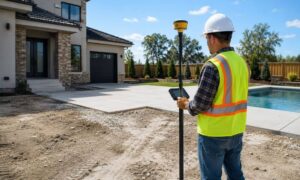
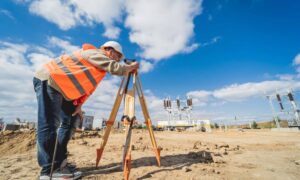
An elevation certificate gives measured facts about how high a building sits compared to known flood reference levels. A licensed surveyor collects those measurements at the property. The finished floor height, nearby ground level, and structure entry points all get documented with precision.
Because of that, insurers and lenders don’t need to rely on rough estimates. They can use real numbers instead.
Without an elevation certificate, reviewers often fall back on conservative assumptions. Conservative assumptions usually lead to higher perceived risk. Higher perceived risk often leads to higher cost or slower approval. So even though the document looks simple, its effect runs deep.
In other words, it turns guesswork into evidence.
The Post-Storm Rush Most Owners Never Expect
After big weather events in Tampa, a predictable rush begins. Many owners decide at the same time that they should “get the paperwork done.” That sounds smart — yet timing creates friction.
Appointment calendars fill quickly. Turnaround times stretch. Some firms add rush pricing to handle demand. Meanwhile, transactions already in motion feel the pressure. Buyers wait. Sellers worry. Lenders pause.
None of that shows up in the weather headline. Still, it happens every time behind the scenes.
By contrast, owners who already hold a current elevation certificate skip that scramble. They are already prepared. They already have the file. They send it over and keep moving.
Preparation doesn’t feel dramatic — but it feels powerful when deadlines appear.
Why Insurance Reviews Tighten After Weather Cycles
Many people think insurance only checks elevation during purchase. In reality, reviews also happen during renewals and after heavy regional storm activity. When insurers pay large claims, they look more closely at exposure across the region. That closer look often includes elevation verification.
At that point, documented height helps a property owner. Clear numbers support fairer rating decisions. Missing numbers push files into caution mode.
This shift doesn’t require a federal program delay or a rule change. It happens through normal underwriting behavior after weather losses. Therefore, timing again becomes the difference between smooth processing and extra friction.
How Weather Headlines Change Buyer and Seller Behavior
Weather doesn’t just affect insurers — it affects buyers too. After a season of strong storms, buyers ask more flood-related questions. They want reassurance. They want proof, not opinions.
A seller who can quickly share an elevation certificate answers those concerns right away. That response builds confidence and keeps the deal steady. The conversation stays calm because the data exists.
On the other hand, when no certificate exists, uncertainty enters the room. The buyer hesitates. The lender requests more review. Extra steps appear. Time slips away.
So while two homes may look identical, the one with ready documentation often moves faster.
Why Waiting for Someone to Ask Often Backfires
Many owners assume a lender or insurer will warn them far ahead of time if they need elevation documentation. That assumption feels logical — yet reality works differently. Requests often appear mid-process, not at the beginning.
A refinance moves forward, then underwriting asks for elevation data. A sale approaches closing, then a reviewer flags the file. At that moment, nobody wants to hear that survey scheduling takes days.
Waiting shifts control away from the owner. Planning keeps control in the owner’s hands.
Some property owners treat elevation data like they treat a structural inspection or roof report. They gather it early and store it with their key records. Later, when questions come up, they already hold the answer. The process feels steady instead of rushed.
The Long-Term Value That Headlines Don’t Show
Weather headlines will always come and go in Tampa. Storm clips will trend. Rain totals will shock people. Social feeds will buzz — then quiet down. Your building’s elevation, however, stays the same unless construction changes it.
That’s why the elevation certificate carries hidden long-term value. It supports insurance decisions, answers lender questions, and reduces last-minute stress. It doesn’t predict storms, and it doesn’t promise safety. Instead, it provides verified measurements that support smarter decisions.
When the next extreme weather story spreads across the city, most people will react in the moment. A smaller group will already have their documentation ready. Preparation rarely makes headlines — yet it solves problems before they grow.
In the end, weather creates noise. Elevation data creates clarity. And clarity gives property owners an edge when timing matters most.