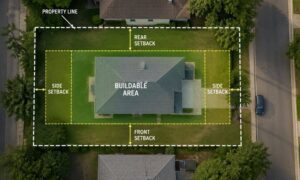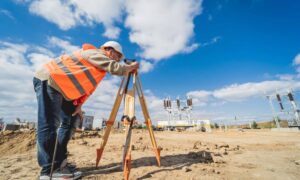

Construction projects move faster today than ever before. Owners want buildings finished sooner. Developers want to open doors as quickly as possible. Because of this, many projects now follow fast-track schedules. Fast-track work helps projects start early. However, it also changes how teams work on-site. One role feels this change more than most: the construction surveyor.
A construction surveyor does more than set lines and check elevations. Today, the job also requires fast thinking, clear communication, and careful timing. As schedules tighten, surveyors play a bigger role in keeping projects accurate and on track.
Fast-Track Schedules Change How Projects Begin
In the past, design work finished before construction started. Surveyors worked from final plans. The layout followed a clear order.
Now, many projects overlap every step. Crews start building while design work continues. Changes happen during construction, not before it.
Because of this, the construction surveyor often works with plans that are still changing. Layout may start while drawings update. Utilities may shift while foundations go in. This keeps work moving, but it also adds risk.
Surveyors must now work faster without losing accuracy. That balance shapes modern construction surveying.
Why Construction Surveyors Feel Pressure Early
Fast-track schedules push many decisions into the field. When problems appear, they often show up during layout. That puts the construction surveyor in the middle.
For example, plans may not match site conditions. Drawings may conflict with each other. When this happens, surveyors must speak up. Crews may stop and wait. Schedules feel tight. Stress builds.
Some teams feel tempted to rush past issues. However, rushing layout leads to bigger problems later. A small error early can cause major rework later.
Because surveyors work between design teams and field crews, they often feel pressure from both sides.
Accuracy Matters Even More on Fast Jobs
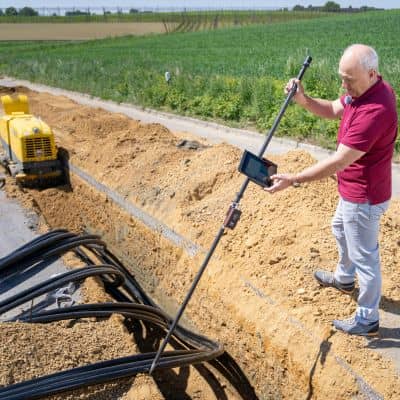
Fast schedules leave little room for mistakes. On slower projects, teams may catch errors early. On fast-track jobs, work stacks quickly.
For example, a foundation set slightly off can affect framing. Framing errors can affect plumbing and electrical work. These issues then reach finishes, where fixes cost the most.
A skilled construction surveyor helps stop these problems early. By checking control points and confirming layout, surveyors protect the entire project.
Speed does not reduce the need for accuracy. Instead, speed makes accuracy more important.
Communication Is Now Part of the Job
Surveyors once focused mostly on measurements. Today, communication plays a major role. Fast-track jobs require constant updates between surveyors, engineers, project managers, and crews.
When drawings change, surveyors must confirm what applies on-site. When site conditions differ, surveyors must explain the impact clearly. Quick decisions depend on clear information.
Good communication keeps work moving. Poor communication causes delays and confusion.
Surveyors Solve Problems on the Spot
Fast-track construction leaves little time to stop and redesign. When issues appear, teams need answers quickly. The construction surveyor often helps find those answers.
For example, utilities may conflict with structural elements. Surveyors help identify safe offsets. Grades may not match drainage plans. Surveyors help adjust layout.
These quick fixes help projects move forward without lowering quality or safety. Because of this, modern surveyors need strong field experience, not just technical skills.
Technology Helps but Raises Expectations
Modern tools like GPS and robotic equipment help surveyors work faster. These tools support fast schedules and improve efficiency.
However, they also raise expectations. Many clients expect quick results and constant availability.
Even with advanced tools, checks still matter. Technology does not replace judgment. A professional construction surveyor knows when to slow down and verify work.
Speed should never replace accuracy.
What Clients Often Overlook
Many clients focus on speed and forget survey coordination. Yet many delays start with missing details or late changes.
When clients involve surveyors early, fewer problems happen later. Early involvement allows surveyors to set strong control and spot issues before crews arrive.
This planning saves time and reduces rework.
How Clients Can Support Better Survey Results
Clients play an important role in survey success on fast-track jobs. Simple steps can make a big difference.
First, bring in the construction surveyor early. Early planning reduces surprises. Next, share design changes clearly and quickly. Surveyors need current information to work accurately.
Finally, allow time for checks. Even on tight schedules, verification protects the project.
These steps help surveyors deliver reliable results while keeping work moving.
Why This Matters in Growing Areas
In fast-growing areas, construction moves quickly. Job sites sit close together. Space feels limited. Coordination becomes harder.
In these conditions, survey errors cause more disruption. A skilled construction surveyor understands these challenges and plans ahead.
Experience matters most when schedules move fast.
The Construction Surveyor’s Role Keeps Growing
Fast-track construction will continue. Schedules will likely get tighter. Because of this, the role of the construction surveyor will keep expanding.
Surveyors now protect accuracy, support coordination, and help solve problems in real time. They help projects move faster without creating costly mistakes.
For clients, this means one thing: choosing the right construction surveyor matters more than ever.
Final Thoughts
Fast-track schedules shape today’s construction industry. They demand speed, flexibility, and accuracy at the same time. The construction surveyor stands at the center of this challenge.
When surveyors receive clear communication and proper support, projects run smoother. Errors drop. Delays decrease. Costs stay under control.
Even in fast-moving projects, accuracy remains the foundation of success.