For years, methane leaks stayed out of sight and out of mind. Most inspections relied on ground crews, handheld sensors, or rough estimates. That approach is changing fast. New U.S. methane standards now demand clearer proof, better data, and stronger accountability. As a result, LiDAR mapping has moved from a “nice-to-have” tool to a serious compliance solution.
This shift matters to companies that own or manage infrastructure. It also matters to surveyors, engineers, and consultants who support them. In short, methane rules are reshaping how monitoring happens, and LiDAR mapping sits right at the center of that change.
Why Methane Rules Are Getting Tougher
Methane is a powerful greenhouse gas. Even small leaks can cause big problems over time. Because of that, regulators want better ways to find, measure, and track emissions. Recent federal updates focus on accuracy instead of estimates. They also push for proof instead of promises.
In the past, many operators checked equipment on a schedule and logged results. Now, that approach falls short. Regulators want data that shows where emissions happen, how much escapes, and whether fixes work. Because of this, monitoring must cover larger areas and happen more often.
That is where LiDAR mapping enters the picture.
What the New Standards Expect from Operators
The updated methane standards raise the bar in several ways. First, they push for repeatable monitoring. One-time checks no longer carry enough weight. Second, they demand measurable results. Visual inspections alone cannot prove compliance. Third, they stress documentation. Every claim needs data to back it up.
Traditional methods struggle to meet these goals. Ground crews move slowly and cover limited space. Fixed sensors only work where they are installed. As sites grow larger and more complex, gaps appear.
LiDAR mapping helps close those gaps.
How LiDAR Mapping Detects Methane at Scale
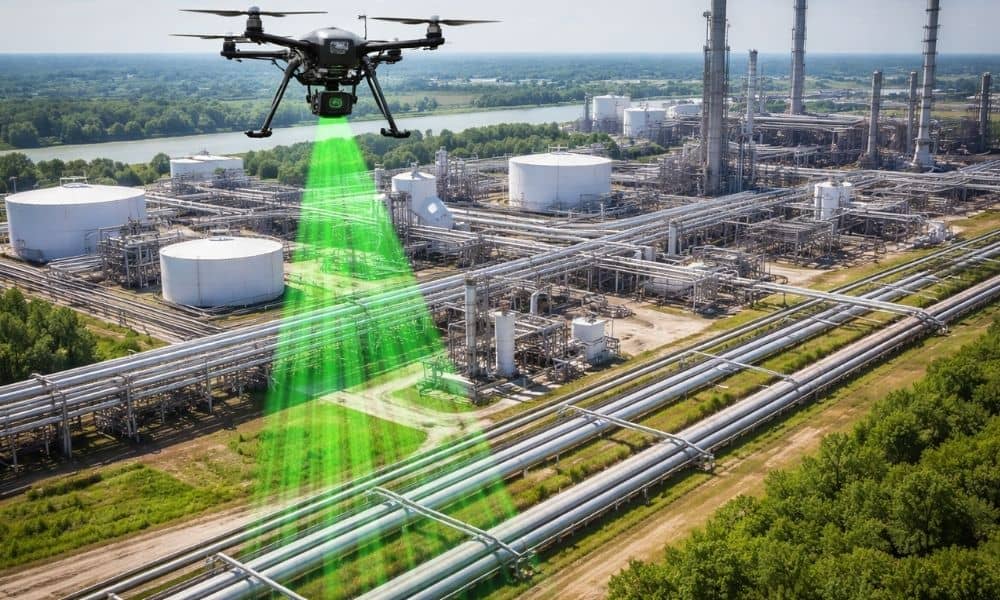
LiDAR mapping uses laser-based sensors to scan wide areas from the air. When tuned for gas detection, the system can identify methane plumes and measure their concentration. Instead of guessing where leaks might be, operators can see them clearly.
More importantly, LiDAR mapping works fast. A single flight can cover miles of pipelines or large facilities in hours, not days. That speed matters when regulators expect frequent monitoring.
Also, LiDAR data stays consistent. Each flight follows a repeatable process. Because of that, results can be compared over time. If emissions drop after repairs, the data shows it. If new leaks appear, teams can act quickly.
Why Regulators Trust LiDAR Mapping More
Regulators care about three things: accuracy, coverage, and proof. LiDAR mapping checks all three boxes.
First, it delivers measurable data instead of visual observations. Second, it covers entire sites, not just sample points. Third, it creates records that teams can review later. Time stamps, flight paths, and data logs all support audit reviews.
Because of this, LiDAR mapping fits well into modern compliance programs. It supports clear reporting and reduces questions during inspections. While it does not replace all ground work, it strengthens the overall monitoring strategy.
Infrastructure Under the Most Pressure
The new methane standards affect many asset types. Energy production sites sit high on the list. Pipelines and transmission corridors also face scrutiny. Industrial facilities and utility systems fall under growing oversight as well.
These assets often stretch across large areas. Some run through remote or hard-to-access locations. Ground inspections alone cannot keep up with that scale. LiDAR mapping, however, can survey long distances quickly and safely.
As a result, operators gain a clearer view of their entire system instead of isolated segments.
LiDAR Mapping as a Cost Control Tool
At first glance, advanced monitoring may seem expensive. However, delayed detection often costs more. Small leaks can grow into major problems. Emergency repairs disrupt operations and attract attention. Fines and penalties add another layer of risk.
LiDAR mapping supports early detection. When teams find issues sooner, they fix them faster. That reduces repair costs and limits downtime. Over time, proactive monitoring often saves money.
In addition, strong data helps during regulatory reviews. When operators can show consistent monitoring and prompt action, enforcement pressure may ease.
Meeting Documentation and Audit Expectations
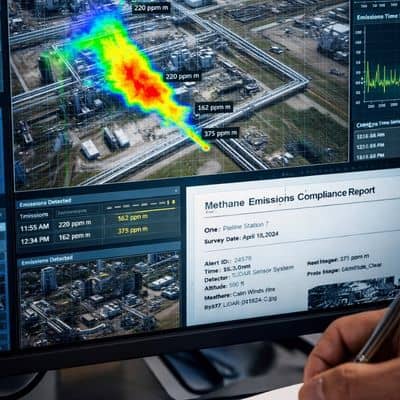
Modern compliance requires more than a checklist. Regulators want proof that monitoring happens as claimed. They also want to see trends over time.
LiDAR mapping supports this need well. Each survey creates a clear data trail. Reports show where flights occurred, what sensors captured, and how results compare to previous scans. This structure makes audits smoother.
Because of that, many compliance teams now treat LiDAR data as part of their core records, not just supporting material.
What This Means for Florida and the Gulf Region
Florida and the Gulf region face unique attention. Infrastructure here often sits near populated areas, ports, and sensitive zones. Public visibility remains high, and expectations keep rising.
As methane standards evolve, operators in these regions must stay ahead. LiDAR mapping offers a way to monitor large systems while maintaining clear documentation. It also supports long-term planning as rules continue to tighten.
Early adoption helps teams prepare instead of react.
Choosing the Right LiDAR Mapping Partner
Not all LiDAR services meet regulatory needs. Some focus only on data collection without understanding compliance goals. Others lack clear reporting formats.
Prospective clients should look for providers with experience in methane monitoring workflows. Clear deliverables matter. So does an understanding of regulatory expectations. When technology and compliance knowledge align, results improve.
Why LiDAR Mapping Is Now Part of the Compliance Conversation
Methane standards have changed the rules of the game. Monitoring now requires scale, accuracy, and proof. LiDAR mapping delivers all three.
For operators, this shift brings a choice. Adopt proactive monitoring and gain control, or wait and respond under pressure. As regulations continue to evolve, LiDAR mapping stands out as a practical, defensible solution.
In today’s environment, it is no longer just advanced technology. It is fast becoming a standard part of regulatory planning.