
If you live in Tampa, you probably heard about the Magnolia Hotel debate in Hyde Park. Neighbors packed meetings, argued about traffic and building height, and pushed back hard against the project. But underneath all the noise sat the real issue that shaped the entire conversation: flood risk. And this is where the FEMA elevation certificate becomes the star of the story — not just for developers, but for everyday homebuyers too.
The Magnolia project didn’t spark controversy only because of design or density. The site sits inside a Coastal High Hazard Area, which is one of the most sensitive flood-risk zones. Once that detail came out, the whole debate shifted. People started asking how high the building needed to sit, whether storm surge could reach the lower floors, and what kind of safety rules applied to the site. Suddenly, elevation wasn’t just a technical number. It became a deal-shaping factor.
And that’s exactly why buyers should pay attention.
The Coastal High Hazard Zone: The Real Reason Magnolia Became a Battle
The Magnolia Hotel site sits in what FEMA calls a Coastal High Hazard Area. This zone faces high storm surge, fast-moving water, and stronger flooding forces than most parts of Tampa. Because of that, the rules are strict. A building in this zone must sit at a safer height. It needs special structural features. It even needs a review from multiple city boards.
Developers working on the Magnolia proposal had to explore raising the first floor nearly 10 feet. They also had to look at new drainage features and possible underground stormwater systems. All of this came from one thing: elevation data. Without knowing exactly how the site sits compared to the Base Flood Elevation (BFE), the city couldn’t move forward. And the public wouldn’t feel confident either. This is where land surveyors enter the picture.
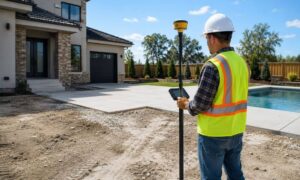
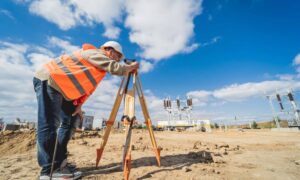
They collect the ground elevation, measure the lowest adjacent grade, check FEMA’s BFE, and create the data that planners and engineers use. Their work tells everyone whether a structure will stand above the flood line or sit in danger. When you zoom out, it’s clear that the Magnolia debate wasn’t about a hotel. It was about flood elevation — something every Tampa homeowner deals with, even if they don’t know it yet.
Why Magnolia Matters to Regular Homebuyers
Now, you might think, “Okay, but I’m not building a hotel. Why does this matter to me?”
Here’s the truth: the same elevation rules shaping major developments also affect single-family homes. Tampa sits along a long stretch of coastal and river-influenced land. Because of that, a home in Hyde Park, Davis Islands, Beach Park, Palma Ceia, or even parts of South Tampa may face elevation requirements for remodels, additions, or future updates.
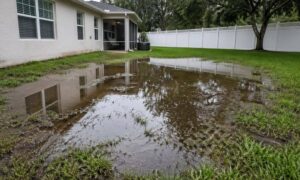
Even if you’re not in a Coastal High Hazard Area, storm surge and tidal flooding can shape how the city views your property. That’s why more homeowners discover that their lot sits lower than they expected. And that is exactly when the FEMA elevation certificate becomes important.
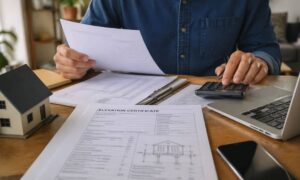
This document shows the true height of a home compared to FEMA’s flood line. It tells you if the property stands safely above the BFE or if it sits too low. And since Tampa has experienced stronger storms over the last few years, elevation numbers matter more than ever.
Magnolia only brought the issue to the spotlight.
What a FEMA Elevation Certificate Actually Tells You

Many buyers think the elevation certificate is a simple form. It’s more than that. It’s a detailed record created by a licensed land surveyor. And it shows information you can’t guess by looking at a house.
It shows:
- The exact height of the lowest floor
- How the structure compares to FEMA’s Base Flood Elevation
- The slope and grading around the foundation
- The type of foundation the home uses
- Whether water can reach the lowest entry point during a flood
This isn’t just technical data. It tells you how safe a home really is. It also helps you understand what might happen if you remodel or expand the property later. If the home sits too low, you might need to elevate a new addition. If the grading slopes toward the house, drainage work may be necessary.
When you look at Magnolia’s struggle, it becomes clear: nobody in Tampa can afford to ignore elevation.
Flood Elevation Shapes Tampa’s Future Neighborhoods
City planners consider flood-risk zones when they approve new projects. The Magnolia debate proved how much elevation controls what gets built and how high it must sit. This trend won’t stop. In fact, it will grow stronger.
Tampa keeps experiencing heavy rain, king tides, and rising water levels. Neighborhoods that didn’t flood ten years ago now see standing water during storms. That means elevation rules will continue tightening. Buyers who understand their home’s elevation can plan smarter and avoid surprises down the road.
If you ever plan to:
- Renovate
- Add a room
- Rebuild after a storm
- Sell your home
…your elevation number will matter.
Magnolia showed that elevation drives cost, safety, design, and even public opinion.
Why Every Buyer Should Get a FEMA Elevation Certificate Before Making an Offer
You don’t need to wait for it to close. You don’t need to wait for insurance quotes. And you definitely don’t need to face surprises later.
A FEMA elevation certificate gives you clarity before you buy.
It can help you learn:
- Whether the lot sits lower than neighboring homes
- How water moves toward or away from the property
- Whether future projects will face strict elevation rules
- If the home could face new requirements as FEMA updates flood maps
This information protects your budget and your long-term plans. It also helps you choose between two similar homes. Sometimes, a property that “feels dry” can still sit too close to the flood line.
Magnolia is a perfect example. That site looks high enough at first glance. But once surveyors compared it to FEMA’s flood data, everything changed — including the design, the cost, and the public debate.
If that can happen to a hotel, it can happen to a house.
Final Thoughts:
The Magnolia Hotel debate wasn’t only a neighborhood fight. It revealed a bigger truth about the future: flood elevation shapes every project, big or small. And it affects every homeowner, not just developers.
If you’re thinking about buying a home, start with the elevation. A FEMA elevation certificate gives you the information you need to make a safe, confident decision. You’ll understand the land, the flood risk, and the long-term potential of the property.
Tampa is a beautiful place to live, but it’s also a coastal city. Smart buyers look at more than price and layout. They look at the ground beneath the home — and how high it stands when the water rises.
If you want help getting a certified elevation check, reach out to a licensed land surveyor. The right data can protect your investment and keep your future on higher ground.