If you’ve ever added a deck, shed, or carport without realizing you needed a building permit, you’re not alone. Many homeowners in Pinellas County find out later that the county requires approval—even for small projects. The good news is that the county is currently giving residents a chance to fix those mistakes by applying for after-the-fact permits without facing heavy penalties. But before you can get that permit approved, you’ll need a construction survey and that’s often where homeowners get confused.
Why a Construction Survey Matters
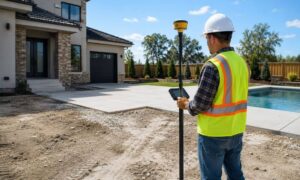
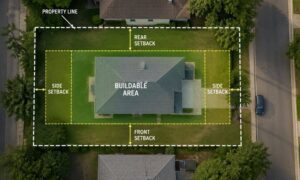
A construction survey shows exactly where your structure sits on your property, how far it is from the boundaries, and whether it meets setback requirements. Unlike a simple boundary survey, it captures what’s already built. It’s the proof that your project follows local codes—or the map that tells you how to fix it if it doesn’t.
County inspectors use your construction survey to verify that the improvements on your property meet zoning and building standards before granting the permit. Without it, your application can stall or even be rejected, which could lead to costly rework.
The Pinellas County Opportunity
This temporary program gives homeowners a chance to legalize unpermitted structures and avoid additional fines. Getting your construction survey done early keeps the process smooth and saves time. Many homeowners delay this step, only to face longer waits and more paperwork. Working with a surveyor from the start helps you avoid missing information and prevents back-and-forth with county reviewers.
What the Survey Includes

A professional construction survey isn’t just a basic sketch—it’s a precise, scaled drawing. It typically includes:
- All existing structures and paved surfaces on your lot
- Exact property lines and building setbacks
- Driveways, fences, and utility connections
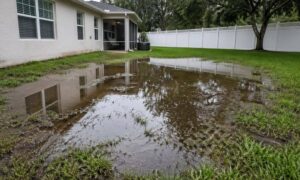
- Elevation points if drainage or flood zones are involved
- North arrow, scale, and legal description, signed and sealed by a licensed surveyor
These details allow reviewers to compare your site layout to county standards. You’ll usually need the survey in PDF format for online submission. It’s also smart to request a CAD version in case you or a designer need to make updates later.
How to Get It Done Fast
The process is simpler than most people think. Here’s what a quick five-day turnaround usually looks like:
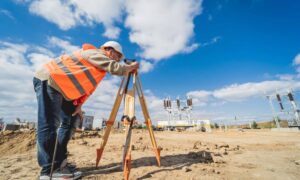
- Contact a licensed surveyor and mention you’re applying for an after-the-fact permit.
- Share property details—address, what was built, and any previous surveys you may have.
- Schedule the site visit. Most residential lots can be surveyed in a few hours.
- Wait for drafting and review. The surveyor will prepare the drawing and verify that everything lines up correctly.
- Get your signed survey. Once delivered, it’s ready for submission with your permit application.
If you’re under a deadline, many firms offer rush services that can deliver results in three business days. The small premium often pays off in peace of mind and faster approval.
A Real-World Example
One homeowner in Clearwater discovered that a pergola built years ago wasn’t permitted. Instead of removing it, she ordered a construction survey, filed her application, and received her permit without penalties. The survey cost less than $700—far less than rebuilding or facing code fines.
Common Mistakes to Avoid
- Submitting an old boundary survey that doesn’t show recent improvements.
- Forgetting to include detached structures like sheds or driveways.
- Missing scale or directional information, which causes rejections.
- Ignoring setback rules, which could force partial demolition later.
A professional surveyor will make sure these details meet county requirements before you file.
Checking for Flood Zones
If your property sits near a low-lying area, check whether it’s in a flood zone before applying for permits. In some cases, you might also need an elevation certificate to confirm your home’s height above the flood level. Ordering both surveys together can save time and site visits.
How Much It Costs
Most construction surveys for residential lots range from $450 to $950, depending on lot size and complexity. Larger or irregular lots, or properties with multiple structures, may cost more. Compared to potential penalties, though, the survey is a small investment.
Why Acting Now Saves Money
Taking advantage of the current permit amnesty means you’ll only pay standard fees for your permit and survey. Once the program ends, additional fines may return, which can double your total cost. Getting your construction survey done now helps you file while the opportunity lasts and ensures your property remains compliant for future projects.
The Bottom Line
A construction survey might not sound exciting, but it’s the document that protects your home, confirms compliance, and prevents expensive mistakes. If you’ve built something without realizing a permit was required, don’t panic. Reach out to a local licensed surveyor, get your construction survey completed, and use this window to fix things properly.
Doing it right once is always cheaper than fixing it later. Before this limited program ends, schedule your construction survey and secure your property’s compliance. It’s a simple step that brings long-term peace of mind and protects your investment.