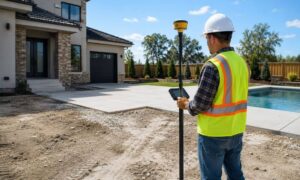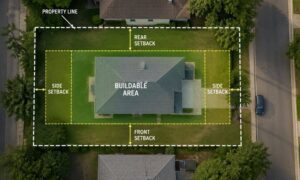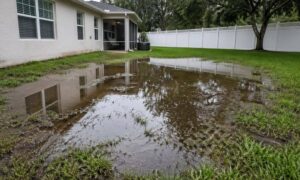

Buying a home already feels expensive. Between rising mortgage rates, higher insurance premiums, and increasing property taxes, many buyers feel stretched before they even reach the closing table. Then it happens. A line item appears that most people did not fully plan for: the property survey. Suddenly, the cost of a land survey feels like the final surprise they were not ready for.
What shocks buyers is not that a survey is required. It is how much it costs, when it shows up, and how little flexibility they have left in their budget when it does. In 2026, this reaction has become more common than ever.
The Closing Cost Reality No One Prepares You For
Most homebuyers plan carefully. They save for a down payment. They budget for inspections. They expect lender fees. However, closing costs do not arrive one at a time. They show up together.
By the time buyers see the survey fee, they have already committed to the purchase price, paid for inspections, and locked in insurance. At that point, cash feels tight. Even a few hundred dollars feels heavier than it would have earlier in the process.
Because of this timing, survey pricing feels unexpected. The land survey cost itself is not new, but the financial pressure around it is.
Why Survey Pricing Feels Higher
Survey fees did not suddenly explode. Instead, everything else around the home purchase became more expensive.
Mortgage payments increased as rates climbed. Florida insurance premiums surged. Property taxes followed rising home values. As a result, buyers now evaluate every added expense more carefully.
In the past, survey costs felt like a small piece of the puzzle. Today, they feel more noticeable because they take up a larger share of what buyers can afford. Even when pricing remains reasonable, the perception has changed.
What Buyers Actually Pay for Property Surveys

In Tampa, survey prices vary, but most buyers see similar ranges.
Basic residential or mortgage-related surveys often fall in the mid-hundreds to low four figures. Larger parcels, older neighborhoods, and properties with limited records tend to cost more. Urban properties may require deeper research, while suburban lots may involve more field work.
Online estimates often cause confusion. Many buyers see low numbers and assume that is the standard price. When real quotes come in higher, frustration sets in. Those online figures rarely reflect local conditions, workload, or research time.
That gap between expectation and reality drives most complaints about land survey cost, not the work itself.
Why Surveys Hit at the Worst Possible Time
One major reason surveys feel expensive is timing.
Surveys usually happen late in the process, after inspections and appraisals. By then, buyers already spent money and energy. Financial fatigue sets in.
When survey fees appear at this stage, they feel like an extra burden instead of a planned expense. If buyers budgeted for the cost of a land survey earlier, the reaction would be very different.
This problem comes from process timing, not from unfair pricing.
Putting Survey Fees in Perspective
When buyers step back, survey costs look different.
A property survey is a one-time expense. Insurance premiums repeat every year. Property taxes continue to rise. Mortgage interest stretches over decades. Compared to these ongoing costs, a survey remains relatively small.
Still, buyers focus on what feels immediate. Survey fees arrive when cash matters most, which makes them feel heavier than they truly are.
Understanding this helps buyers see survey pricing as part of protecting a major investment, not just another bill.
Why Skipping a Survey to Save Money Often Backfires
Some buyers consider skipping a survey to cut costs. At first, this seems practical. Later, it often causes delays.
Lenders may ask for documentation. Title companies may pause. Future buyers may request proof. Each delay costs time, and time often costs money.
What felt like savings upfront may turn into frustration during resale or refinancing. That is why experienced buyers treat survey fees as part of doing the transaction correctly from the start.
How Smarter Buyers Budget for Surveys Early
Buyers who avoid sticker shock plan ahead.
They ask about survey requirements early. They request quotes before making offers. They include survey fees in their initial budget instead of hoping they will disappear.
This approach changes everything. Instead of stress, buyers feel prepared. Instead of surprise, they feel informed. The cost of a land survey becomes manageable rather than overwhelming.
Why Surveys Matter More in Today’s Market
As home prices rise, mistakes become more expensive. Buyers protect larger investments with better information.
Surveys provide clarity that supports smoother transactions. In a high-cost market, that clarity matters more than ever.
Survey pricing is not just a requirement. It is part of protecting long-term value.
The Market Changed, Not the Survey
Property surveys did not suddenly become unreasonable. The housing market changed around them.
In 2026, buyers face higher costs across the board. That pressure makes every closing expense feel heavier. Surveys stand out because they arrive late and feel unexpected.
The solution is awareness. When buyers understand survey fees early and plan for them, the shock disappears. What remains is confidence, clarity, and a smoother closing experience.
In a market where every dollar matters, preparation turns stress into control.