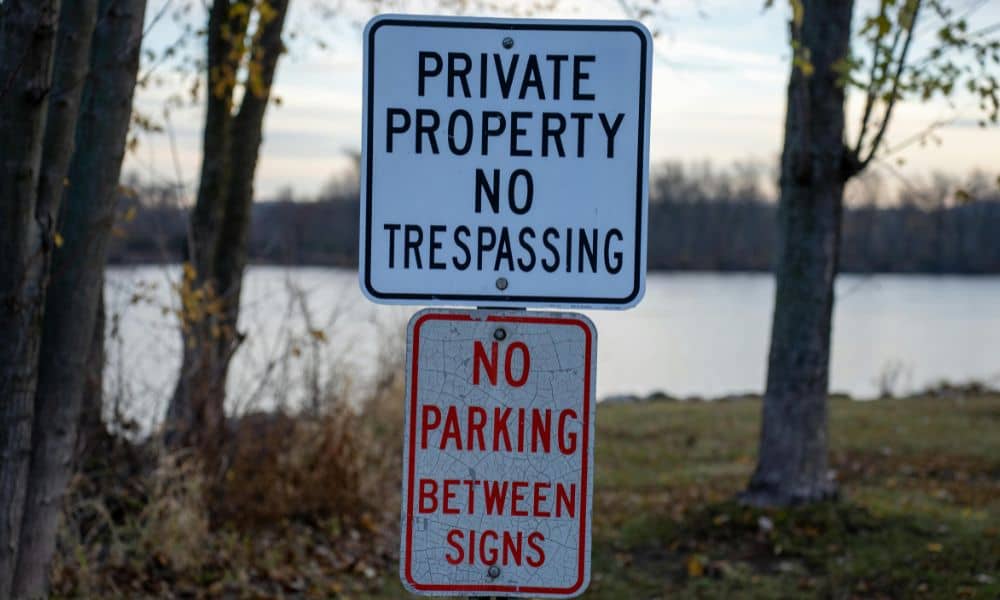
When a Florida beach suddenly became the center of a heated public debate, many people were left asking the same question: Who actually owns this land? The recent St. Pete Beach controversy, where a business posted “No Trespassing” signs on sand that many assumed was public, showed just how fast property disputes can explode. At the heart of situations like this is one critical tool: a boundary line survey. While most people never think about property lines until there’s a problem, this event proves why clarity matters long before emotions run high.
When Property Lines Become Public Drama
Beach access feels personal in Florida. People grow up walking the same shoreline, fishing in familiar spots, or watching sunsets from the sand. So, when signs suddenly appear claiming private ownership, frustration spreads fast. That’s exactly what happened in this recent case. Social media lit up, locals argued, and the story quickly made headlines.
However, public outrage doesn’t decide property rights. Legal boundaries do. And those boundaries don’t come from signs, habits, or opinions. They come from documented land records and professional surveys.
Why Public Assumptions Often Miss the Mark
Many property disputes start with assumptions. People assume that open land is public land. They assume that long-term use creates ownership. They also assume that if no one stopped them before, it must be allowed.
Unfortunately, property law doesn’t work that way. Just because people have used an area for years doesn’t mean it’s legally public. Likewise, just because land looks accessible doesn’t mean it belongs to everyone. These misunderstandings fuel conflicts, especially in busy coastal areas where public life and private property sit side by side.
As a result, disagreements turn emotional fast. Neighbors argue. Visitors feel unwelcome. Property owners feel attacked. Yet none of that changes where the legal line sits.
Where a Boundary Line Survey Changes the Conversation

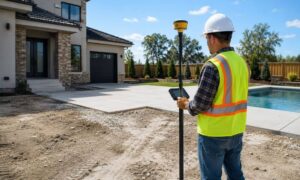
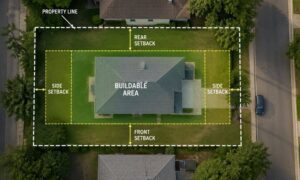
This is where a boundary line survey steps in. In disputes involving access, ownership, or control, survey data becomes the neutral voice in the room. It doesn’t take sides. Instead, it shows documented facts based on recorded deeds, plats, and physical evidence on the ground.
In high-profile cases like the St. Pete Beach situation, survey results often guide decisions made by cities, attorneys, and courts. While the public debates online, professionals rely on surveys to confirm what is private, what is public, and where those limits fall.
Most importantly, surveys remove guesswork. They replace opinion with proof.
Coastal Florida Makes These Conflicts More Common
Florida’s coastline creates unique challenges. Over time, shorelines change. Development increases. Old property descriptions meet new construction. Add tourism, and pressure builds quickly.
Because coastal land sees more foot traffic, disputes surface more often. What starts as a simple access question can turn into a legal issue overnight. That’s why boundary clarity is especially important near beaches, waterfronts, and shared corridors.
In the Tampa Bay area, many properties sit next to public paths, docks, or shoreline access points. Without clear documentation, owners and the public may interpret boundaries very differently.
Why These Issues Matter to Everyday Property Owners
It’s easy to think this kind of controversy only affects beachfront bars or wealthy landowners. In reality, similar disputes happen across residential and commercial properties every day.
For example, a homeowner may try to limit access across their lot, only to face backlash from neighbors who believe the path is shared. A business might install barriers to control foot traffic and trigger complaints. HOAs may struggle to manage spaces that feel public but fall within private parcels.
In each case, the same issue appears: unclear boundaries lead to conflict. And once emotions get involved, solutions become harder.
Why Surveys Often Happen Too Late
One common pattern appears in many disputes. Property owners order a boundary line survey after the problem starts. By then, positions have hardened. Public attention may already be involved. In some cases, city officials step in.
Early verification changes that outcome. When owners confirm boundaries before restricting access, installing signs, or making changes, they act from a position of confidence. Instead of reacting under pressure, they rely on documentation from the start.
This proactive approach doesn’t just prevent arguments. It also protects owners from legal exposure and unwanted attention.
Lessons from the St. Pete Beach Controversy
This recent dispute offers clear lessons for property owners across Florida:
First, public use does not equal public ownership. Second, signage alone doesn’t establish rights. Third, silence in the past doesn’t guarantee agreement in the future.
Most importantly, visible properties face higher scrutiny. When land sits in high-traffic areas, questions will come sooner or later. Clear boundaries help answer them calmly.
Clarity Beats Conflict Every Time
Property rights don’t need to turn into public fights. With proper documentation, many disputes never reach that stage. A boundary line survey provides that clarity. It confirms ownership, defines limits, and supports decisions before problems grow.
In a state like Florida, where land, water, and people constantly intersect, clear boundaries matter more than ever. The recent beach controversy is just one reminder. Whether property sits near the coast or in a growing neighborhood, knowing where your land begins and ends protects more than space. It protects peace of mind.
When property lines stay clear, conversations stay civil. And in the end, that benefits everyone involved.