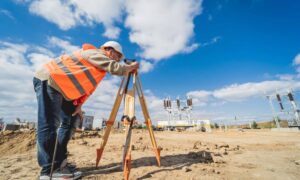

If you live in Tampa, you may have noticed something lately. Flood maps are everywhere. They are showing up in Facebook groups, neighborhood chats, and local posts after heavy rain or storms. People share screenshots and ask the same question again and again: “Am I really in a flood zone?” That reaction makes sense. Flooding feels personal, especially in a coastal city. However, while flood maps raise awareness, they do not settle the issue. The only document that gives a clear, property-specific answer is a flood elevation certificate, prepared by a licensed land surveyor.
Why Flood Maps Are Getting So Much Attention Right Now
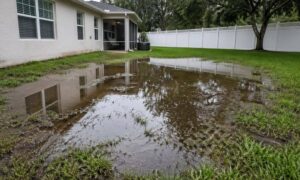
Tampa sees frequent storms, high tides, and heavy rain. Because of that, many homeowners check flood maps the moment water starts pooling in the streets. Online tools make this easy. In just a few seconds, you can type in your address and see a colored map.
Because these maps look official, people trust them. Then they share them. Soon, entire neighborhoods start to worry.
However, flood maps only tell part of the story. They show general risk areas, not how your specific home sits on the land.
What Flood Maps Are Actually Good For
Flood maps serve a real purpose. They help communities plan and prepare. They also show which areas face higher flood risk overall. For a quick overview, they work well.
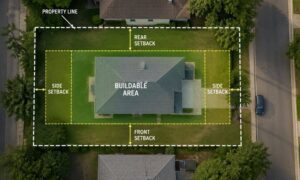
That said, flood maps describe areas, not structures. They draw lines across large zones. They do not measure your house, your lot, or your finished floor.
So while a map may say “high risk” or “low risk,” it cannot tell you how water interacts with your property.
Why Flood Maps Don’t Answer the Real Question
Most homeowners do not care about map colors. Instead, they want to know one thing: “How likely is water to reach my home?”
Flood maps cannot answer that clearly. They do not show your home’s actual height. They also ignore property-level changes, such as added fill, grading adjustments, or renovations. On top of that, they miss local drainage behavior, which can vary block by block.
Because of these gaps, two neighbors can check the same flood map and still face very different realities.
What a Flood Elevation Certificate Actually Does
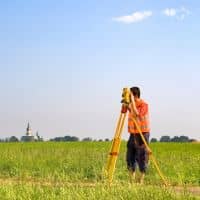
This is where a flood elevation certificate matters.
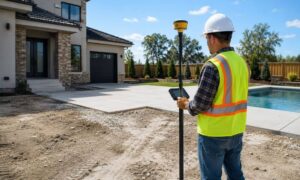
A licensed land surveyor prepares this document. Instead of relying on broad zones, the surveyor measures your property directly. They record how high your structure sits compared to known flood levels.
In simple terms, a flood elevation certificate shows where your home stands vertically, not just where it falls on a map. As a result, it replaces assumptions with facts.
Why This Issue Shows Up So Often in Tampa
Tampa’s geography makes flood questions common. The city includes canals, bays, low-lying neighborhoods, and older developments. In addition, newer homes often sit next to much older ones.
Because of this mix, elevation can vary a lot, even on the same street. When storms hit, people turn to flood maps. Then confusion spreads.
Social media makes it worse. A single screenshot can spark panic, even if it lacks context.
Flood Maps vs Flood Elevation Certificates
It helps to understand the difference.
Flood maps give general awareness. They help you understand regional flood risk.
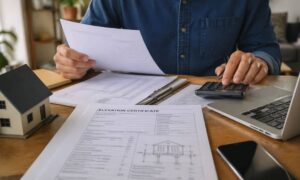
A flood elevation certificate provides property-specific clarity. It shows how your home compares to flood levels in real terms.
One raises questions. The other answers them.
When It Makes Sense to Get Clear Answers
You do not need to panic every time you see a flood map. Still, there are moments when clarity helps.
If flood maps leave you unsure, guessing does not help. If neighbors report different experiences, assumptions can mislead you. In those cases, documented elevation data brings peace of mind.
Many homeowners choose clarity before stress builds. They want to understand risk before worrying through storm season.
Why Guessing Can Cost You Peace of Mind
Without clear data, people rely on rumors, screenshots, or past experiences. Unfortunately, these sources often conflict.
Some homeowners assume their house is safe because it never flooded before. Others panic because a map looks alarming. Both reactions can be wrong.
A flood elevation certificate brings the conversation back to facts. It shows how high your home actually sits, not how it feels during a storm.
The Role of a Licensed Land Surveyor
Only a licensed land surveyor can prepare a valid flood elevation certificate. They understand local benchmarks, measurement standards, and elevation references that online tools simply do not capture.
Because of that, their work carries real authority. Instead of guessing based on a map or a screenshot, homeowners rely on professional elevation measurements to understand how their property actually sits.
Don’t Let Screenshots Define Your Property’s Story
Flood maps will keep spreading during storms. Social media will keep amplifying concern. That pattern will not change.
What can change is how you respond.
Instead of relying on shared screenshots, focus on understanding your own property. A flood elevation certificate does not predict storms or promise safety. However, it does provide clarity.
In a city like Tampa, where water always plays a role, knowing where your home stands makes all the difference.