
Some stories feel unbelievable, yet they happen in our own backyard. Earlier this year, a Florida homeowner went viral after sharing how he spent five long years fighting his homeowners association over a strip of land only a foot wide. What began as a friendly disagreement turned into letters, fines, lawyer meetings, and constant stress. The irony is this: a simple property line survey early on could have settled the argument before it consumed years of his life.
Property disputes grow fast, especially inside HOA communities. A tiny mistake can become a massive battle when no one has clear proof of where the boundary sits. In Florida’s crowded neighborhoods, inches can change everything. That is why a property line survey matters more than most homeowners realize.
The Dispute That Never Ended
The viral story started with a fence. The homeowner believed the fence sat correctly along his property. His HOA, backed by complaints from a neighbor, insisted it crossed the line by about twelve inches. He thought the request was unreasonable and refused to move it. After that, the drama picked up speed.
Every few months, more letters appeared:
• Violation notices • Threats of daily fines • Warnings about liens • Demands for meetings
At first, he ignored the letters, hoping things would calm down. Sadly, they didn’t. As time passed, emotions built up. Both sides dug in.
Eventually, attorneys got involved. Yet no one pulled out a survey to settle the question. It stayed personal instead of factual. Five years lost over one foot of land.
Why HOA Disputes Feel So Personal
If you live in an HOA community, you already understand the atmosphere. Neighbors watch each other closely. HOAs set rules, protect property values, and enforce standards. Most of the time, this works well. But one small conflict can spark tension that grows steadily.
Many fights start from assumptions:
- “The fence has always been here.”
- “We bought the house like this.”
- “The neighbor never complained before.”
- “I’m sure the line is right.”
Without proof, assumptions turn into arguments. Arguments lead to frustration. That frustration leads to long battles—like the one that went viral. When feelings take over, small misunderstandings become big problems.
The Real Problem: No Clear Evidence
This is where things usually go wrong.
Most homeowners have nothing official showing where their property ends. They rely on fences, tree lines, or what the previous owner told them. Sadly, none of that holds up when challenged by an HOA or lawyer.
In the viral case, both sides believed they were right. The HOA trusted an old document from development planning. The homeowner trusted the location of the fence.
Neither side had definitive proof. That allowed the fight to continue… and continue… and continue. If a property line survey had been done early, both sides would have had a clear answer.
How a Property Line Survey Changes Everything
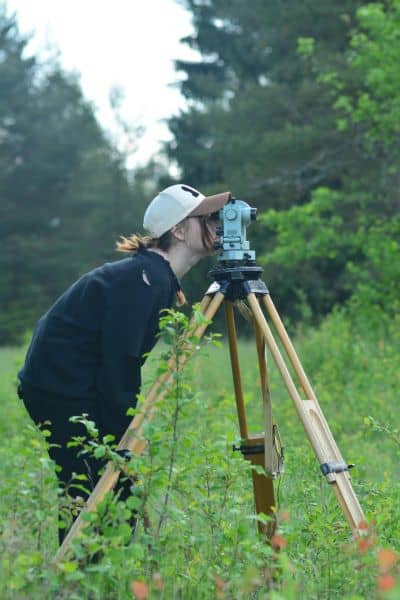
A property line survey does more than mark boundaries on paper. It gives a homeowner confidence and control. It turns debates into facts. With a stamped survey, the conversation changes instantly. Instead of saying, “I think it’s here…,” you can say, “Here is where it is.”
Once the line is defined, the HOA can’t rely on assumptions, and the neighbor can’t argue based on memory. Conversations shift away from emotions and toward solutions. As soon as everyone has the same verified information in front of them, the pressure disappears. In situations like this, many homeowners simply want peace of mind and a way to get clear evidence of your boundary lines before the situation gets bigger than it needs to be.
Why This Hits So Hard
Tampa has many neighborhoods controlled by homeowners associations. Most were designed with very tight spacing between houses. Yards are smaller, and fences sit close to the edges. When there is not much room, even a few inches matter.
Add to that:
• fast development • mixed construction styles • older fences not matching original designs • lots being reshaped over decades
And you get constant confusion.
Your lot may look simple, but the original plat could tell a different story.
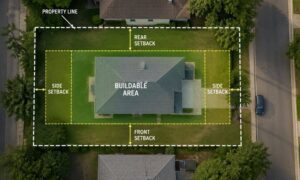
Infill homes, waterfront properties, and corner lots face the most pressure. A tiny shift can affect stormwater plans, access rights, or setback rules. That makes homeowners more vulnerable to boundary disputes than they realize.
The Cost of Waiting
Most homeowners wait too long.
They respond emotionally first.
They push back. They ignore letters. They get upset.
But while they wait, costs rise.
Time goes by. Relationships suffer. Anxiety increases. HOA violations stack up. Legal fees appear.
In the viral case, five years passed before the homeowner finally took action. Five years of frustration. Five years of wasted energy.
A property line survey costs far less than the stress of a multi-year fight.
When You Should Order One
You do not need to see lawyers first.
Instead, order a survey when:
- your HOA questions your fence
- a neighbor challenges your boundary
- you plan to replace or move a fence
- you receive a violation letter about encroachment
- someone claims your driveway or shed crosses the line
Or even earlier:
- before construction
- before renovations
- before conflict
Because a property line survey gives you certainty long before emotion takes over.
What Homeowners Can Learn From This
The biggest lesson is simple:
Don’t let a tiny disagreement become a huge part of your life.
Start with a survey. Lead with clarity. Protect your peace.
Disputes end faster when truth shows up early.
Even better, they never begin at all.
Final Thoughts
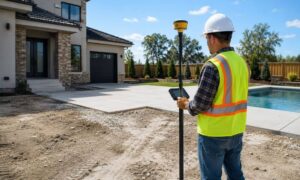
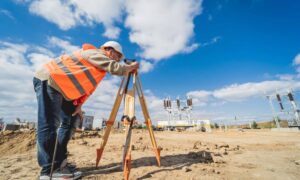
A property line survey might seem like a small thing. It only takes a short visit, a trained surveyor, and a certified drawing. But it can prevent years of stress, arguments, and legal trouble.
The homeowner who fought for five years did not lose because he was wrong. He struggled because he never had clear proof.
Your home deserves certainty. Your time deserves peace. Your property deserves clarity.
Before things escalate, get the facts.
Start with a property line survey—while the problem is still small.