
If you’re involved in buying, selling, or developing property, you probably know how important an ALTA land title survey is. This kind of survey gives a detailed look at a property’s boundaries, easements, structures, and other key details. It helps lenders, buyers, and developers avoid surprises and protect their investments.
But Tampa is making big changes to its land use rules, and those changes will affect what needs to go into an ALTA land title survey.
What Is Happening with Tampa’s Land Use Rules?
The city of Tampa is updating its Future Land Use (FLU) Element and Land Development Code (LDC). These are the main rules that decide how land in the city can be used and developed. The updates aim to guide growth in a way that balances new housing, businesses, and green spaces while protecting neighborhoods.
Some key changes include:
- New zoning options that allow more townhomes and mixed-use buildings in certain areas
- Stronger protections for single-family neighborhoods to keep their character
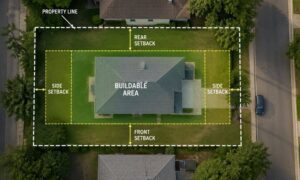
- Adjustments to setback rules, lot sizes, and building heights
These changes will open opportunities for new kinds of development. At the same time, they create new rules for how properties must be surveyed and documented.
How Do These Changes Affect ALTA Land Title Surveys?
ALTA land title surveys are much more than a simple map. It’s a legal document that shows property lines and many important details required by lenders and title companies. Because Tampa’s land use reforms change zoning, setbacks, and easements, they also change what needs to be shown on these surveys. Here are some ways the new rules will reshape ALTA surveys:

1. Updated Zoning Classifications
ALTA surveys must show the property’s current zoning. If rules shift—like from single-family to mixed-use—the survey must reflect the change.
2. New Setback & Height Rules
Changes in setback distances or building height limits must be updated in surveys so future projects stay compliant.
3. Easement & Access Mapping
New or revised easement requirements (e.g., utilities, driveways) must be identified so owners and buyers know their rights.
4. Impact on Table A
Tampa’s reforms may lead clients to request more Table A items, such as:
- Zoning reports
- Setback/height confirmation
- Easement mapping
Why Should Property Buyers and Developers Care?
These changes are not just technical details. They can have real impacts on the value and usability of land. If an ALTA survey doesn’t reflect the latest land use rules, buyers and lenders could face costly delays or legal headaches.
Imagine a developer buys a lot expecting to build townhomes, but the ALTA survey they received didn’t show new setback rules or easements. When they apply for permits, the project might get delayed or even denied. The developer could lose money and valuable time.
Lenders and title companies rely on ALTA surveys to assess risk. If the surveys don’t consider updated land use rules, they might miss hidden problems. That puts their investments in danger.
By understanding these reforms and asking for up-to-date ALTA surveys, property buyers, developers, and lenders can avoid these risks.
How Can Land Surveyors Help?
Land surveyors play a vital role in this changing environment. To serve their clients well, surveyors need to:
- Stay informed about Tampa’s FLU and LDC updates
- Adjust their survey processes and reports to include new zoning and setback details
- Help clients choose the right Table A options based on local rules
- Communicate clearly about how land use reforms affect surveying requirements
Surveyors who keep pace with changes become trusted partners. They help clients navigate complexity, plan better projects, and close deals with confidence.
What Should You Do Next?
If you’re planning to buy, develop, or finance property, don’t wait until the last minute to get your ALTA land title survey. Early planning can save headaches later.
Here’s what you can do now:
- Ask your surveyor if they are familiar with new land use reforms
- Make sure your ALTA survey includes updated zoning and setback information
- Follow the public comment process on Tampa’s FLU and LDC changes
- Work closely with your legal and lending team to understand how these changes affect your project
Being proactive means fewer surprises and smoother transactions.
Final Thoughts
Future Land Use reforms are reshaping the city’s growth and development landscape. For anyone needing an ALTA land title survey, this means new requirements and greater attention to detail.
Keeping up with these changes isn’t just good advice—it’s essential for protecting your investment and making informed decisions.
If you want a reliable, up-to-date ALTA survey that meets evolving rules, partner with a surveyor who understands both the technical and local aspects of the job. It can make all the difference for your project’s success.